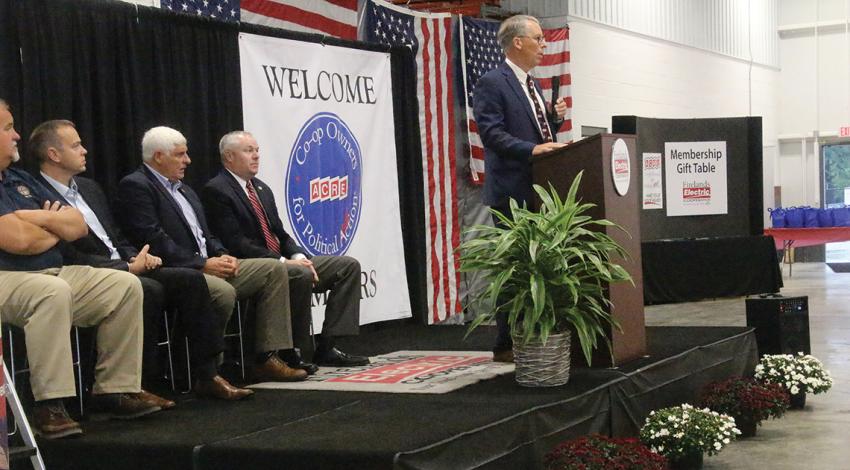
Allen Heindel of Celina says he’s not particularly active politically, beyond voting for issues and candidates that represent his views.
“I feel that Midwest does a nice job keeping us informed about what’s happening legislatively and how those things might affect the cost of electricity,” says Heindel, an engineer with Crown Equipment Corporation in New Bremen. “It just makes sense for electric cooperative members to have a voice in the legislative arena, because these are things that affect us every day.”
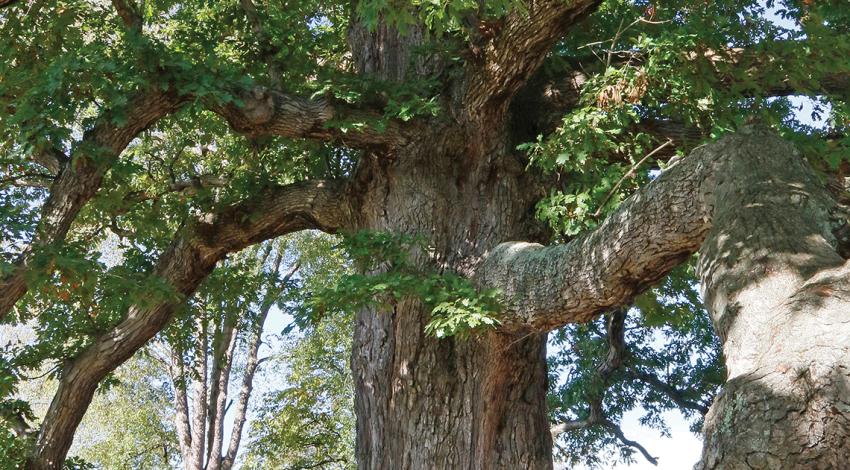
Logan’s Lament is well known in Ohio history. Chief Logan of the Mingo tribe of Native Americans uttered the short speech in October 1774 from beneath a huge, spreading elm tree in his camp, located a few miles south of what is today Circleville, Ohio.
In April 1774, Logan was away hunting when members of his family and some friends ran afoul of a settler named Daniel Greathouse and his band of border thugs, all of whom hated Indians. The Greathouse party first feigned friendship, then once they had gained the Indians’ confidence, murdered them in cold blood. Among those killed were Logan’s wife, brother, sister, brother-in-law, and nephew, as well as a fetus — a future nephew — that was slashed from his sister’s pregnant womb.
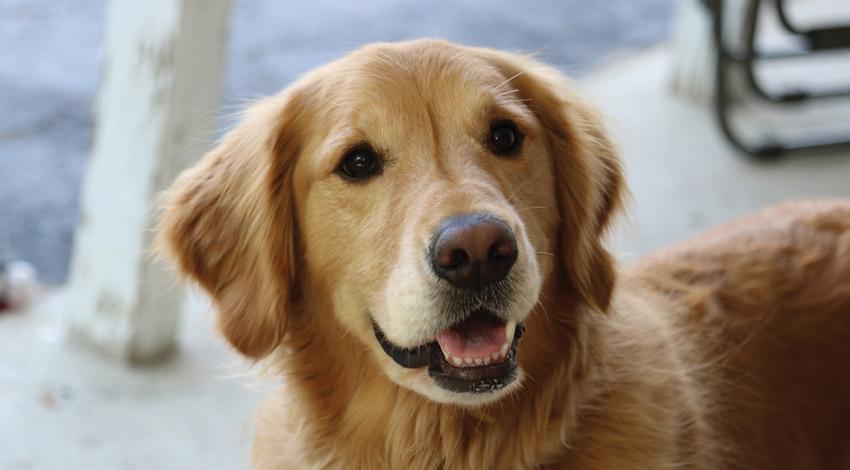
Golden retrievers are beautiful and affectionate dogs. They’re great with children and get along with other dogs and, usually, cats. Those characteristics make them among the most popular dog breeds.
In Ohio, 102 golden retrievers were enrolled in the study. Among them is Montana, now 9, who lives in Oberlin with his owners, Kim and Scott Faulks, members of Lorain-Medina Rural Electric Cooperative.
Montana was a full brother to Ryder, the Faulks’ first golden retriever. “Ryder gave us three wonderful years,” says Kim Faulk. “He was never upset or angry, always loving and trusting.”
The Faulks were devastated when Ryder died of cancer at only 3 years old. Ryder is the reason that Montana is a “Hero,” which is what GRLS participants are called.
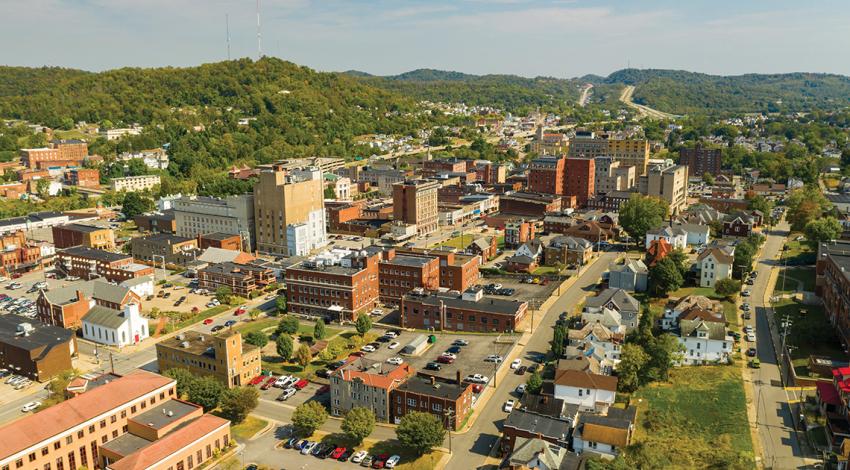
Harrison Rural Electrification Association (HREA) is unique because it is the only electric cooperative in West Virginia. Serving 7,742 consumer-members, HREA spans seven counties on 828 miles of electrical line.
So much to do
The area covered by HREA is a vibrant community. Visitors can explore multiple festivals throughout the year, including the West Virginia Italian Heritage Festival, the West Virginia Black Heritage Festival, the Greek Food Festival, and events such as the Cecil Jarvis Greater Clarksburg 10K. In Clarksburg, there’s a rich public arts and entertainment industry. Clarksburg Amphitheater hosts live music, movies, and other events. There’s also the Robinson Grand Performing Arts Center for productions and programs appealing to all ages.
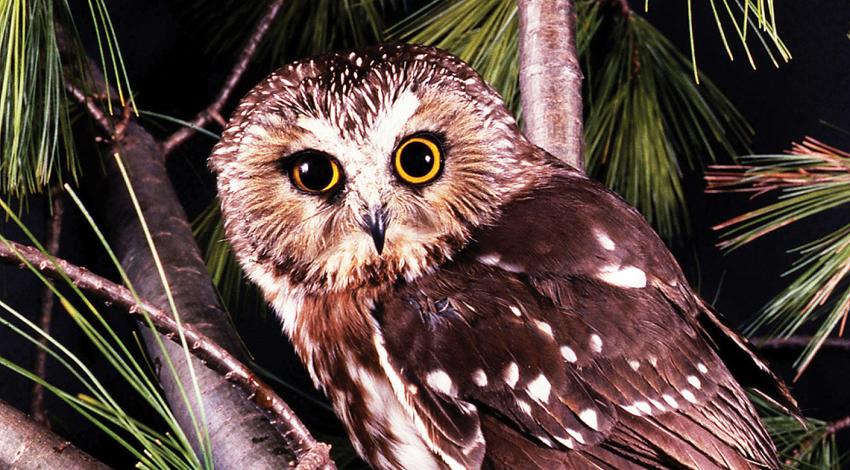
Nocturnal, secretive, and steeped in folklore, owls are cryptic wild critters that give up the details of their lives only grudgingly. Blake Mathys, a member of Marysville-based Union Rural Electric Cooperative, hopes to shine a little light on the subject this winter.
“My main reason for developing the project is that, for a number of reasons, owl sightings often don’t get reported, even by citizen-scientists and serious birders,” Mathys says. “I want to provide a secure outlet to get a better idea of the true numbers of owls in our state during the winter months.”

A new year is upon us. Change seems more welcome than in most years.
As we look forward to 2021, we hope for a lessening impact of COVID and a return to “more normal” social interactions. We will take away from 2020 lessons learned on remote and virtual events that provide us with new tools for business and life. The new presidential administration potentially signals a transition in the rules and regulations governing the energy sector, but regardless of the change that may bring, Ohio’s 24 electric cooperatives are poised to respond in the best interests of you, our members.
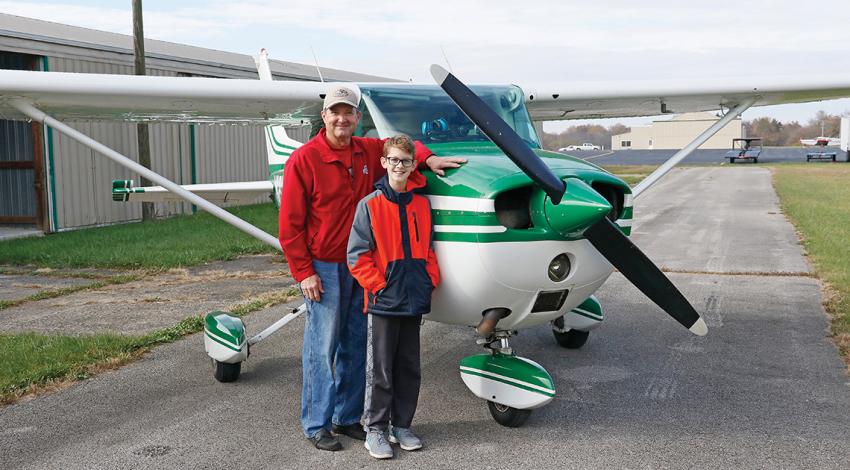
Josh Maihle of Columbus still remembers the first airplane ride he ever took. “I remember I was just 6 years old and riding in the backseat of a small, yellow private plane,” says Maihle.
Bob and his wife, Jill — members of Consolidated Cooperative in north-central Ohio — own two small, vintage aircraft. “We own a 1947 Cessna 120 and a 1946 Piper J-3 Cub,” says Bob. “I also co-own a 1972 Cessna 172 with my son, Shawn.”
Jenkins has been flying for more than 50 years, ever since his father taught him to fly. He made his first solo flight at age 16 and earned his private pilot’s license in his early 20s.
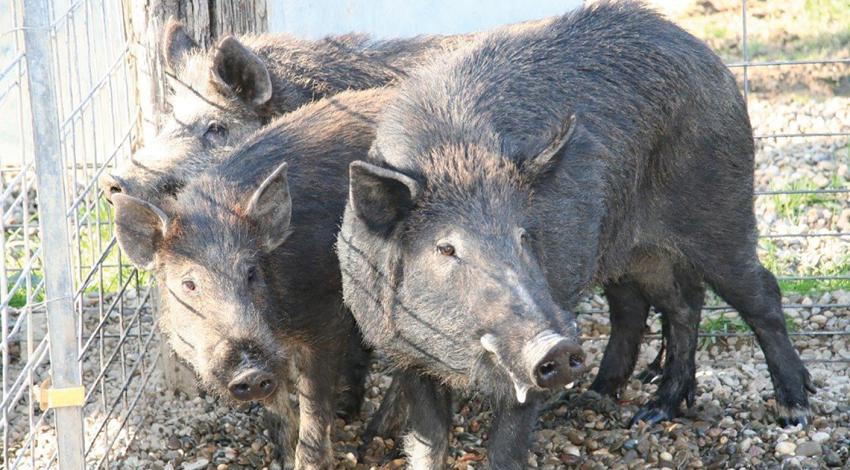
Lon Swihart cares for 120 hogs on a bucolic farm in rural Preble County. Hog farming is part of the landscape and cultural fabric here in towns like Eaton and West Alexandria.
Today, many of the pork producers are larger, corporate-owned operations where the pigs are kept indoors and escape is impossible, so many of the fences have disappeared. Swihart’s farm has a 4-foot-high cement wall and double fencing. But, it turns out, the best fences are made from love and happiness.
“My hogs don’t want to go anywhere — they are happy here,” Swihart says. He can count the times on one hand over the decades that a hog has gotten loose, and each time it has come back. His hogs prefer life on the farm over a life on the lam.
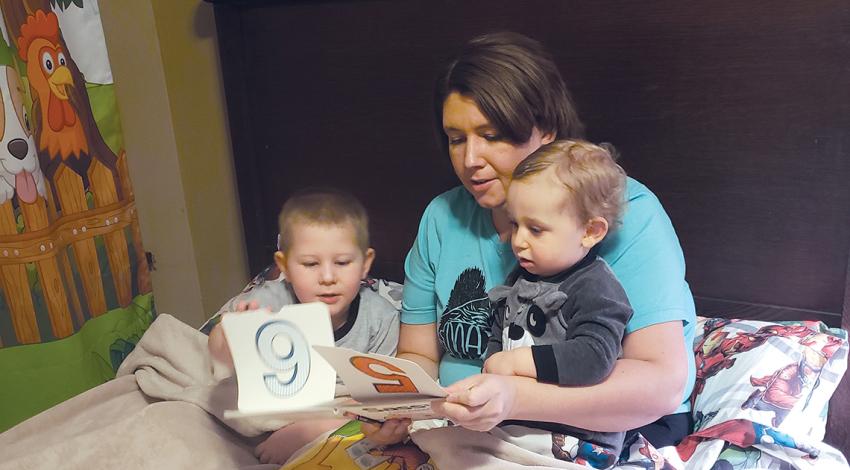
Valerie Williams knew she wanted in from the moment she heard that the Dolly Parton’s Imagination Library/Ohio Governor’s Imagination Library program was coming to Highland County.
When Ohio first lady Fran DeWine announced the program’s expansion into Highland County last March, Williams was not only one of those instrumental in promoting the program in the county, she was among the first to sign up.
Her sons, 4-year-old Porter and 1-year-old Moxley, now each get an age-appropriate book in the mail every month at no cost to the family.