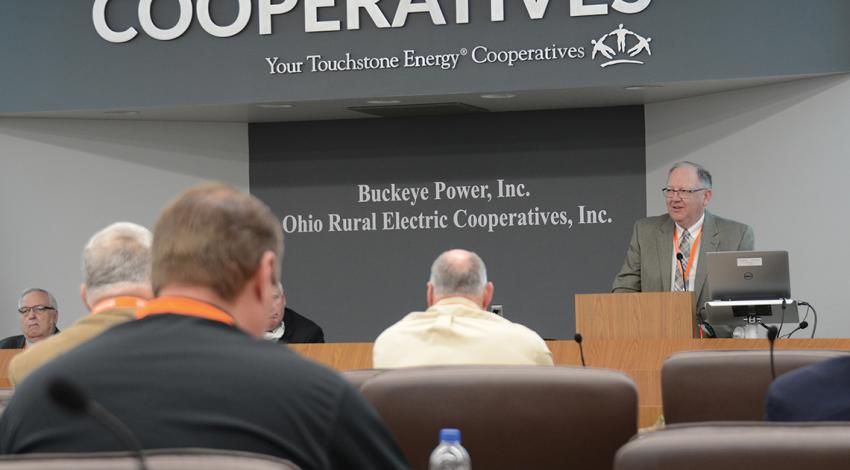
Steve Nelson didn’t necessarily plan to stay long in the job his peers elected him to back in 1996.
Even early on, Nelson made a strong impression on the state’s other co-op managers, and he was elected as chairman of the board at a time when Buckeye Power was navigating some tricky issues, such as electricity deregulation and ever-more-stringent environmental regulation.
“I never planned to be chairman more than a little while,” says Nelson, now 65, who’s celebrating 25 years as Buckeye’s chairman this year. “I don’t know how much longer I’ll stay at it, but for now, it seems like they still want me, so I’ll keep doing what I can.”
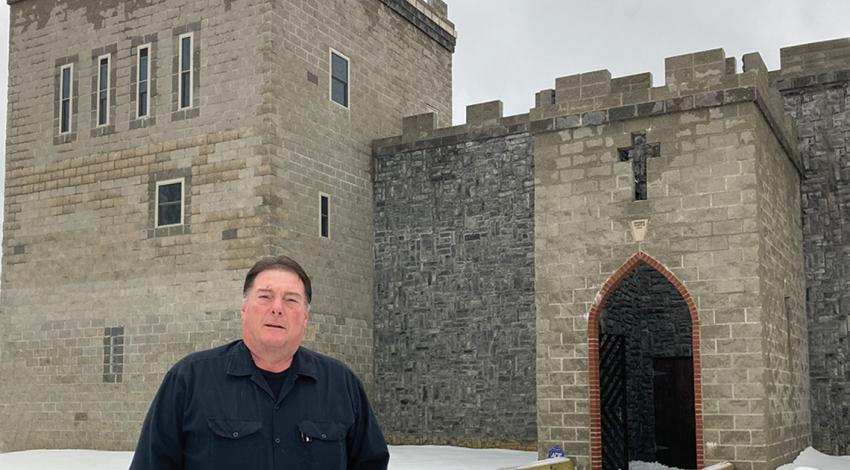
It stands to reason that a man who has made his living battling termites might choose not to build his house of wood.
With towers rising 50 feet above its hilltop foundation, Grizer Castle is the concrete manifestation of a dream that was inspired, as many are, by Hollywood. As an 8-year-old, Grizer was fascinated by the 1968 film, Chitty Chitty Bang Bang, and his obsession with castles was launched while watching Dick Van Dyke pilot his flying car over Bavaria’s Neuschwanstein Castle.
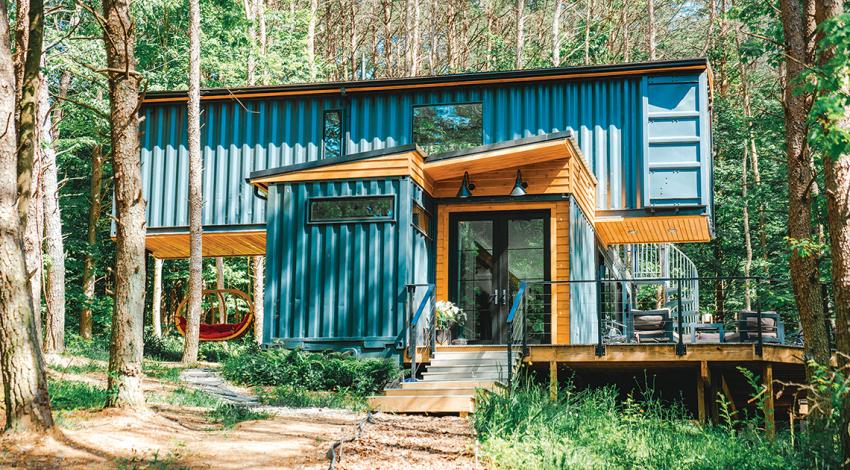
Hotels and campgrounds are perfectly fine places to stay, but travelers looking beyond the usual accommodations have some unusual options these days, thanks to entrepreneurial imagination and emerging technology.
Want to wake up on a blueberry farm? There’s a fine spot near Lake Erie. How about a 1950s railroad caboose? Check Athens. Prefer a tiny home, treehouse, or yurt? Search “Ohio” and “unique stays” to find exactly what you want, from castles to barns.

Drinking and driving is never a wise idea, but there is a place in Ohio where it’s, dare we say, par for the course.
The unique destination, the brainchild of Mike and Stacy McVan, is surrounded by Ohio farmland near Huntsville. How did the couple — who live in the Columbus suburb of Dublin — hit upon the concept four years ago?
“We have relatives who own a winery in northwest Ohio,” Mike says. “We liked the idea … but decided we didn’t want to make the wine.” Instead, they aimed to open a place that would spotlight wines — and other libations — from around the globe.
After a long winter, the arrival of spring carpets Ohio with blankets of blossoms, festoons trees with brilliant buds, and sprinkles forest floors with spicebush splendor.
The pandemic has made people take a closer look at the ground beneath them.
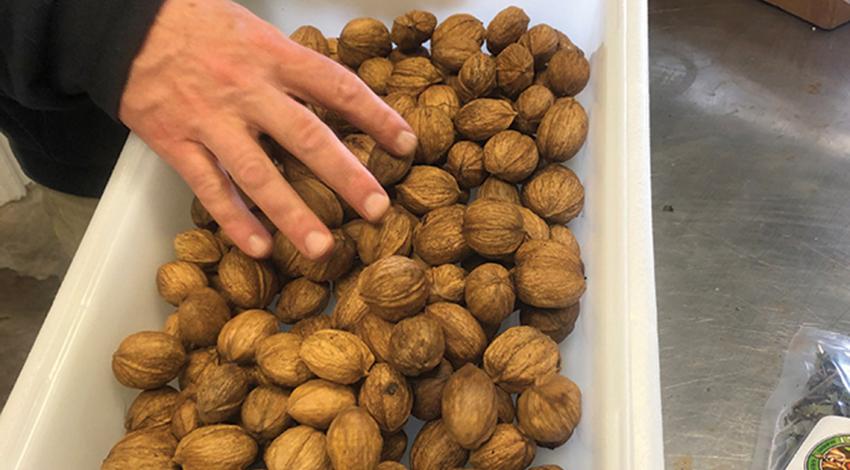
“The pandemic gave native gardening another shot in the arm,” says Chris Chmiel, owner of Integration Acres outside of Albany in Athens County. “It’s a safe activity: Go out and do some foraging while social distancing.”
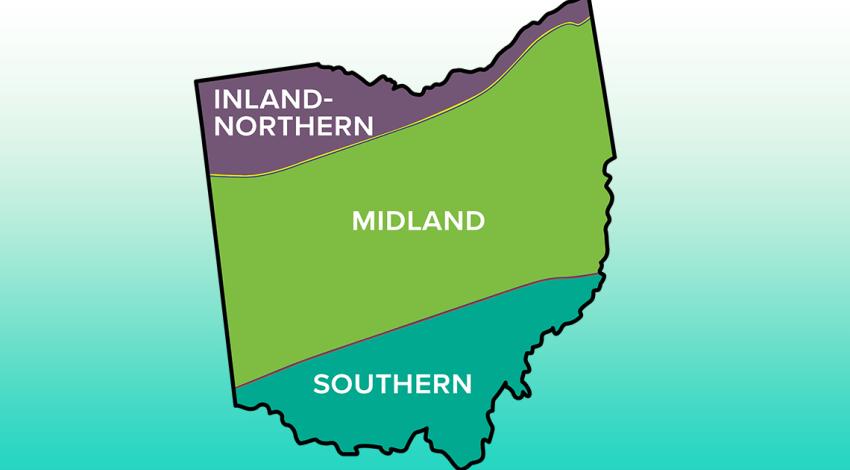
Do you say “crick” or “creek”? “Mom” or “mahm”? How about “wash” or “warsh”? Your answers can pinpoint which part of the state you’re from.
“Individual cities and areas develop their own ways of speaking,” Campbell-Kibler says. “Some small changes start locally and then spread, but other changes begin in, say, Toledo and do not happen anywhere else.”
Let’s take a closer look at how Ohioans speak.
Ohio’s Midland accent
Read this sentence out loud: It will be a merry day when Mary agrees to marry John.
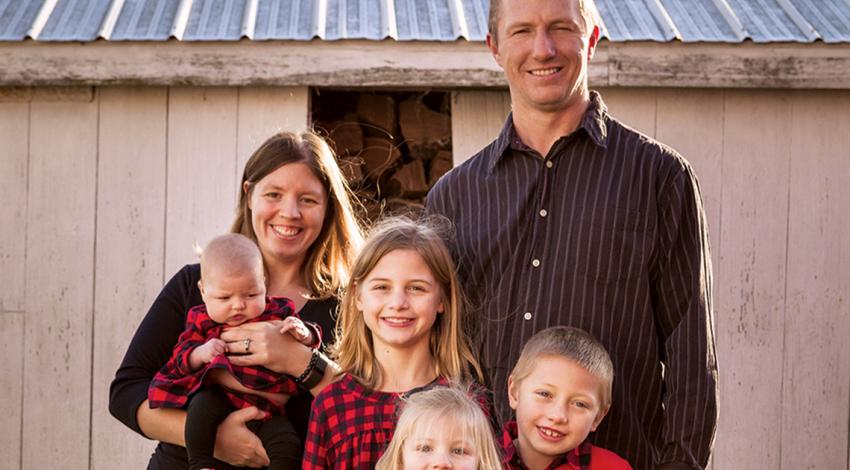
It was a sunny, clear-blue-sky day on June 16, 2018. It also was a day that would forever change the lives of Leah Fullenkamp and her family.
While he was driving his tractor on the roadway, a distracted driver — shopping on her phone and, based on crash reconstruction analysis, distracted for a full 16 seconds — plowed into the tractor and took John’s life.
From that moment, everything changed. John’s death left Leah to raise their children, ranging in age from 8 months old to 9 years, by herself. “I lost my husband, my partner, and the father of my children,” Leah says. “Life got hard — really hard — and it happened instantly.”
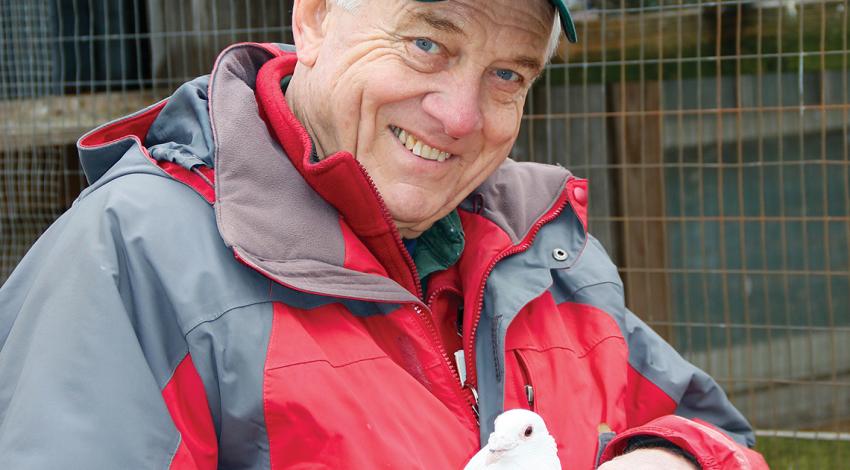
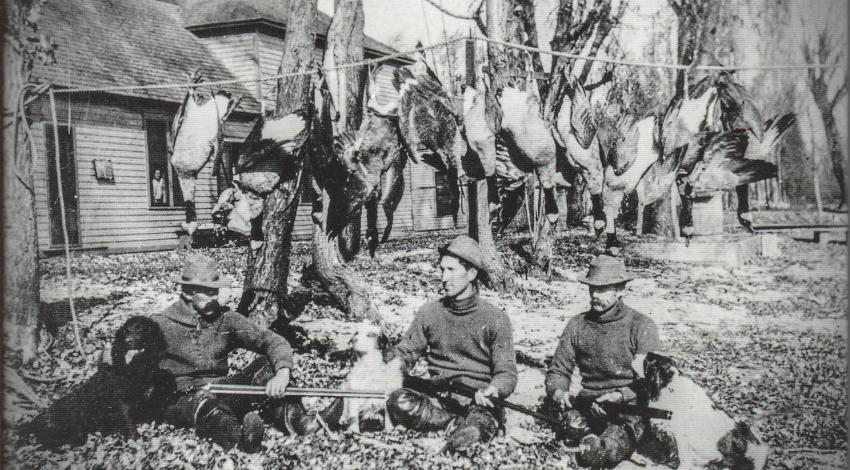
Most men, believing ourselves invincible at one time or another in our lives, can think back to boyhood and remember doing at least one thing so incredibly dangerous that we were lucky to survive. Consolidated Cooperative member Guy Denny is no exception.
After dark one night, he and a young buddy climbed out on the massive, metal I-beams that support the bridge. There, beneath the bridge, with cars whizzing past just a few feet overheard, his buddy shined a flashlight beam into the eyes of the mesmerized pigeons while Denny grabbed them one by one and shoved the birds into a burlap bag. The boys’ poke was nearly full when Denny reached for one last bird — a beautiful, nearly pure-white pigeon — and promptly lost his footing on the bridge.
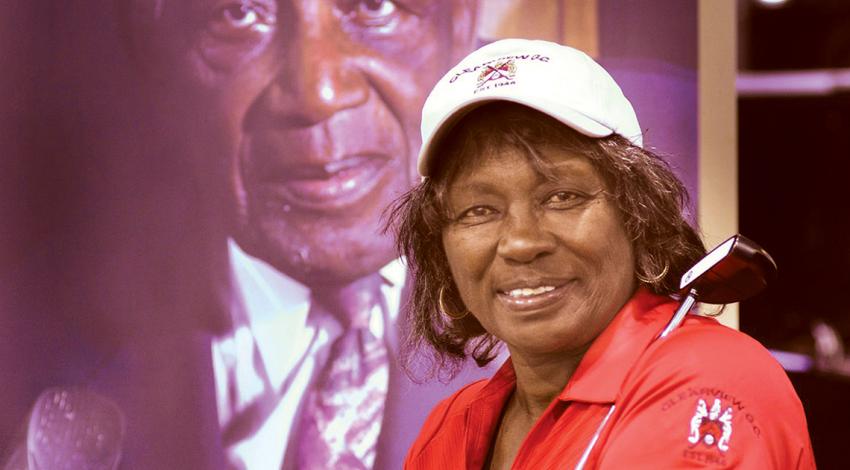
Work hard. Be twice as good. Don’t let anyone else define you. Find your way around obstacles.”
The life lessons that Bill Powell instilled in his daughter, Renee Powell, were sharpened with his boots on the ground … and his golf shoes on the course.
Tenacity to get the job done
Working nights as a security guard, Bill would return home at dawn and get to work. Using hand tools and pulling a mower with an old Army Jeep, he transformed a former dairy farm near Canton into a nine-hole public course that he opened to all. It later expanded to 18 holes. Named a National Historic Site by the U.S. Department of the Interior, Clearview is still the only golf course in the country designed, built, owned, and operated by an African American.
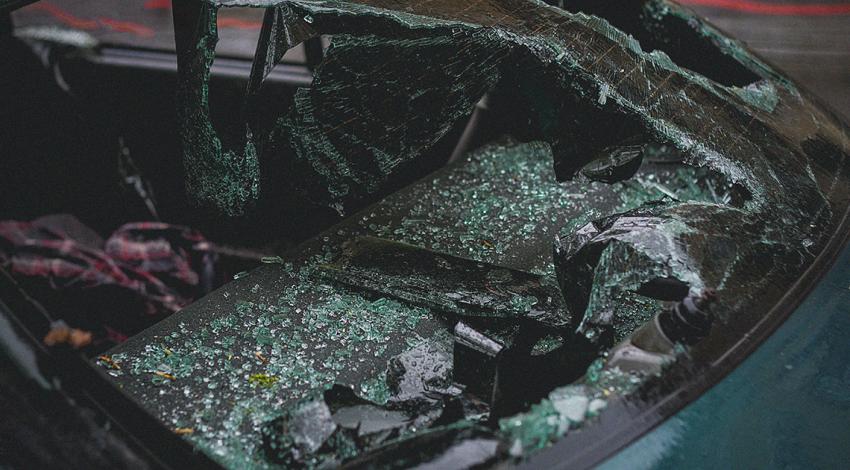
More and more people get behind the wheels of cars these days with a phone or a sandwich in hand — or in any number of other attention-hogging situations — and give less and less of their concentration to driving safely.
From mere property damage to ruining — or ending — lives, some of those costs are easier to figure out than others. According to a survey of electric cooperatives in Ohio, for example, it costs $2,576, on average, to replace a pole that has been damaged in a car crash. Generally, that’s paid by the driver’s insurance, but not always. There are other costs, too.