Show of hands: After months of COVID confinement, who wants to lie on a beach towel beside a long stretch of sun-kissed water? Build sandcastles? Paddle around? Go for a long swim? Simply laze away a summer afternoon?
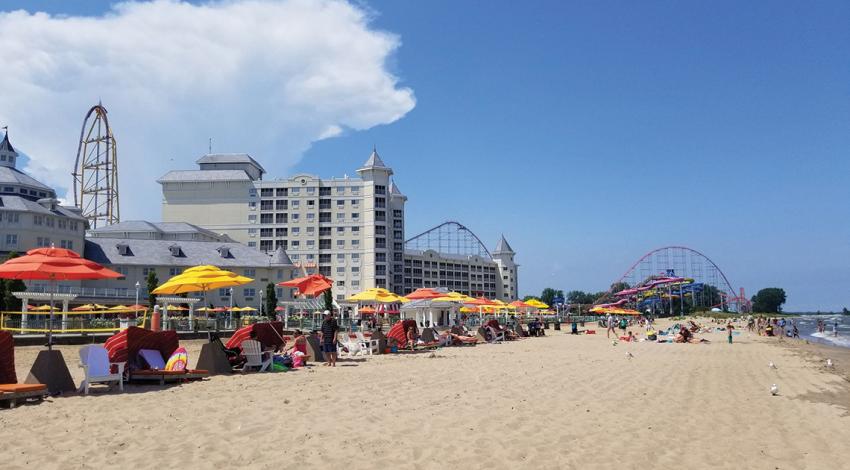
Cedar Point Beach, Sandusky
Cedar Point began with its beach in 1870, and today, the amusement park delivers dual fun-in-the-sun experiences: world-class rides plus a mile of smooth, white sand — all enhanced by splendid lake views and refreshing breezes. Open only to Cedar Point guests, the beach offers amenities and activities that range from lounging in an umbrella chair and snapping photos on its grand boardwalk to renting WaveRunners and parasailing high above the sand.
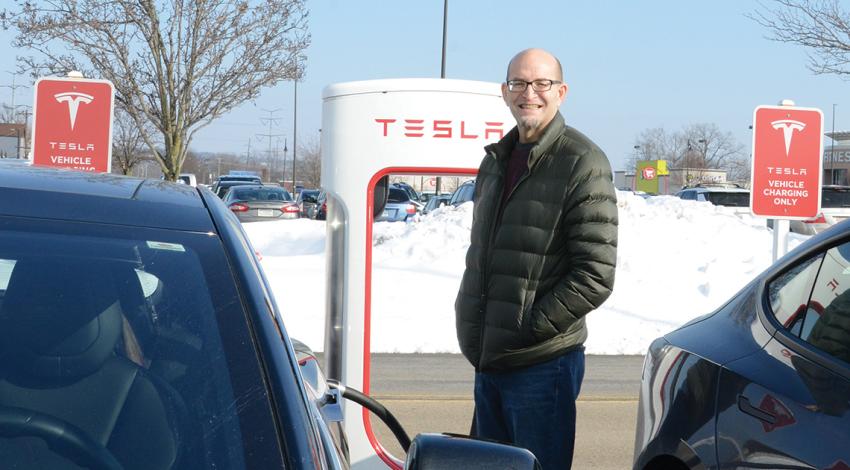
In 2010, the first year that plug-in electric vehicles were commercially available, 300 were sold. The following year, that number climbed to almost 18,000, and by 2019, plug-in EV sales totaled 327,000 — about 2% of light-duty automobile sales that year.
Electric cooperatives across the nation are preparing for the increased EV market share — especially as automakers begin rolling out electric pickup trucks and medium SUV models that are more popular with rural drivers.
Several Ohio co-ops have installed chargers at their offices, some offer rebates on home charging equipment, and all include calculators on their websites that help their members determine the potential savings if they switch to EVs from their current combustion model.
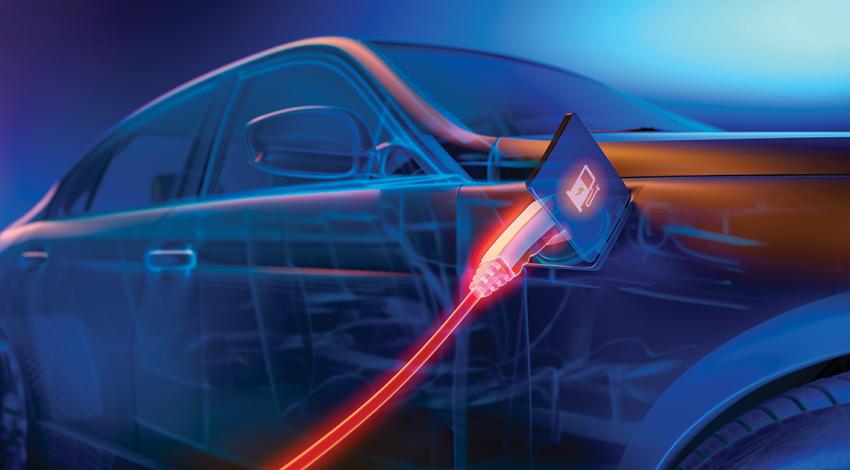
Ready or not, we are quickly moving into a new era of plug-in electric vehicles (EVs). EVs first hit the U.S. market in 2010; today there are more than 1.5 million of them on U.S. roads, and that number is expected to keep growing, with millions more plug-in vehicles put in service in the next five years. The attraction of EVs include clean, quiet, high-performance operation, coupled with lower operating costs. EVs also offer the potential for major reductions in emissions from autos and trucks over the coming decades.
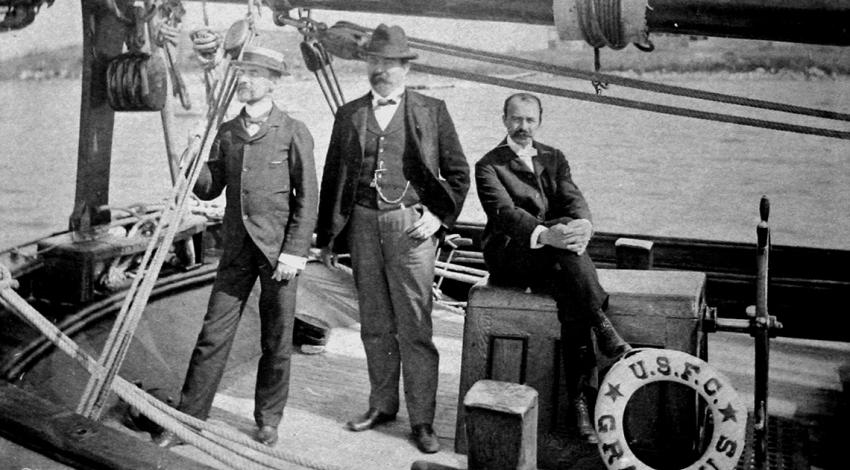
In February, the U.S. Fish and Wildlife Service (USF&WS) turned 150 years old, and to celebrate its sesquicentennial, it has released a new book of its many finny accomplishments titled America’s Bountiful Waters.
Henshall (1836–1925) is known as the father of bass fishing in the U.S. He was born in Maryland and moved to Cincinnati after graduating high school. He finished medical studies in 1859, just in time for the Civil War, and promptly joined the Union Army medical corps. One of his most memorable adventures was a run-in with Morgan’s Raiders, a Confederate cavalry unit that crossed the Ohio River and was eventually captured near West Point, in Columbiana County.

It stands to reason that a man who has made his living battling termites might choose not to build his house of wood.
With towers rising 50 feet above its hilltop foundation, Grizer Castle is the concrete manifestation of a dream that was inspired, as many are, by Hollywood. As an 8-year-old, Grizer was fascinated by the 1968 film, Chitty Chitty Bang Bang, and his obsession with castles was launched while watching Dick Van Dyke pilot his flying car over Bavaria’s Neuschwanstein Castle.
Ohio Cooperative Living readers know that Ohio’s 24 electric cooperatives are served by a Columbus-based organization known as Ohio’s Electric Cooperatives. OEC is composed of Buckeye Power, the wholesale power supplier for the state’s distribution cooperatives (including your local co-op), and Ohio Rural Electric Cooperatives (OREC), the statewide trade and service association that works on behalf of the local co-op. While Buckeye Power was formed in 1959, this year marks OREC’s 80th anniversary.
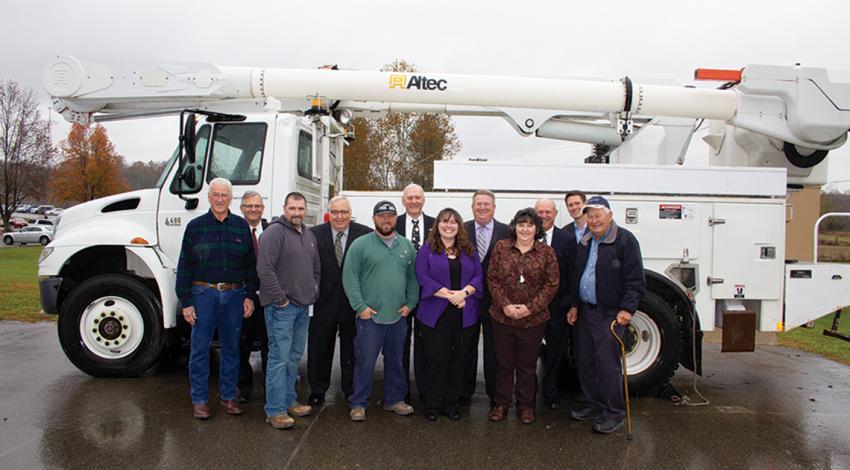
Operating from Rio Grande, Buckeye Rural Electric Cooperative covers an expansive territory in southern Ohio, serving 18,562 consumer-members in nine counties: Athens, Gallia, Jackson, Lawrence, Meigs, Pike, Ross, Scioto, and Vinton.
Buckeye REC’s territory encompasses portions of Wayne National Forest, the only national forest in Ohio, which covers over a quarter-million acres of unglaciated terrain in the Appalachian foothills of southeastern Ohio. The forest offers opportunities for outdoors enthusiasts to pursue their passions, including mountain biking, camping, fishing, horseback riding, ATV riding, boating, archery, canoeing and kayaking, or even just soaking in nature’s spectacular sights.

Shortly after the first electric cooperatives formed in the 1930s, their leadership began to see some of the same challenges that small businesses everywhere face — chief among them being a lack of the buying power that larger companies enjoy.
The leaders of the co-ops started talking among themselves to find ways to negotiate better contracts to buy electricity, and they saw immediate benefits. It didn’t take long before they began to see real value in working together in other aspects of their business, as well. So, in 1941 — a little more than five years after Piqua-based Pioneer Electric Cooperative set the first co-op pole in the nation, and 80 years ago this summer — co-ops officially formed a statewide trade association: Ohio Rural Electric Cooperatives.
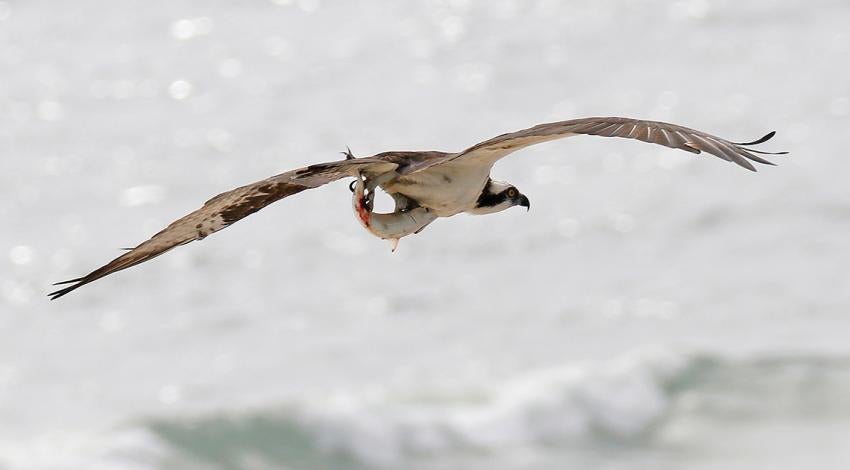
The first time you see an osprey dive on a fish is one of those memorable birding moments that last a lifetime. With a wingspan of up to 6 feet, ospreys are not small birds of prey.
As it flies, the osprey will also shake itself, much like a dog, removing water from its feathers. The fish feast is then flown to a large, bulky stick nest and shared with its mate/young, or possibly, the fish is simply taken to a stout tree limb where the osprey alights and enjoys a solo meal of the world’s freshest sushi.