Since electric co-ops were first established during the 1930s, they have served mainly rural areas of the United States.
“We continually beat the drum among our members about what the co-op is,” says Phil Caskey, president and CEO of Consolidated Cooperative, which serves eight counties in north-central Ohio. Caskey says that many residents of suburban areas, as well as former suburbanites who move into rural areas, are unaware of the differences between electric co-ops and large, privately owned electric utilities. In addition, rural co-op members tend to have a better understanding of the co-op’s place in the community, he says.

People working together for a common cause is nothing new. For those efforts to be sustainable over time requires operating principles — tenets that guide our actions and decisions. During October, we celebrate National Cooperative Month, recognizing that since the mid-1800s, our cooperative business model has not merely endured but flourished because it has remained committed to our values.
The moment they open the door, Pattycake Bakery patrons are greeted with the smell of freshly baked Marry Me Blueberry muffins and Thrilla Vanilla cupcakes. Located in Columbus’ Clintonville neighborhood, the popular bakery strives to be conscientious in everything it does, like using all-natural ingredients, delivering orders by bicycle, and, in 2013, becoming a worker-owned cooperative.

Stories of huge catfish — channel cats, flatheads, and blues — lurking in the deep, murky, mysterious pools of the Ohio River have been whispered from angler to angler for hundreds of years. For instance, David Zeisberger, a missionary to the Delaware Indians in what would one day become Ohio, recorded in his 1780 book, History of the Northern American Indians, the following fish story:

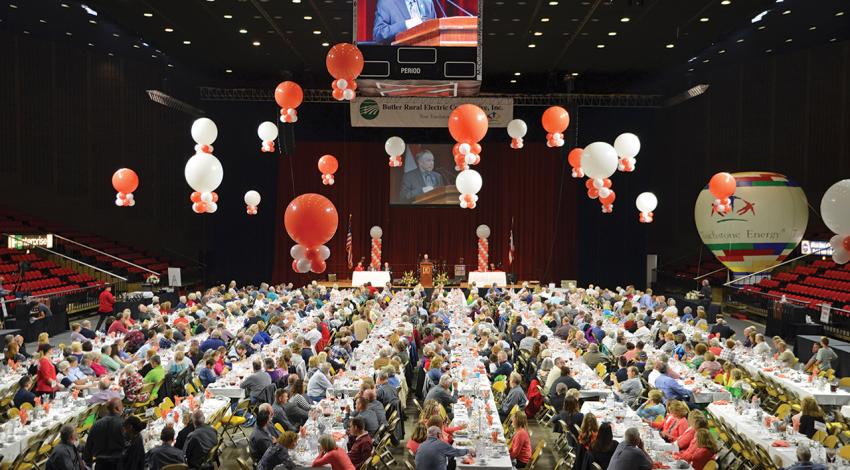
Located between Cincinnati and Dayton, Butler Rural Electric Cooperative (BREC) serves over 11,600 consumer-members in an area that values higher education and offers plenty of opportunity to get back to nature. BREC has built beneficial relationships to help improve the quality of life in and around Oxford, where the co-op is based.

The nasally call of summer insects has begun to fade away, and the shiny wax coating of tree leaves is beginning to lose its luster. As summer turns toward fall, buckeye seeds come to rest on the forest floor, where they will sink into the soil and take root, as they’ve done since the Pleistocene winter of 10,000 years ago.
Coded in that inedible promise of a would-be tree lies all the information the seed needs in order to make a living in Ohio’s rich and varied soils — just add water and light.