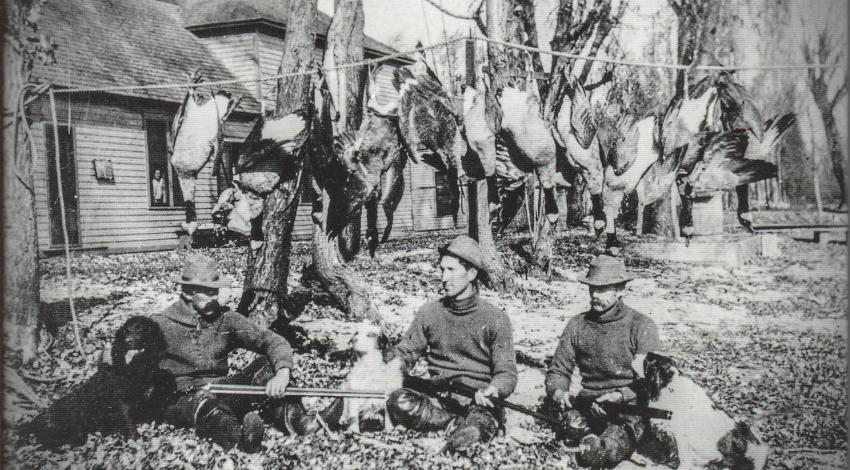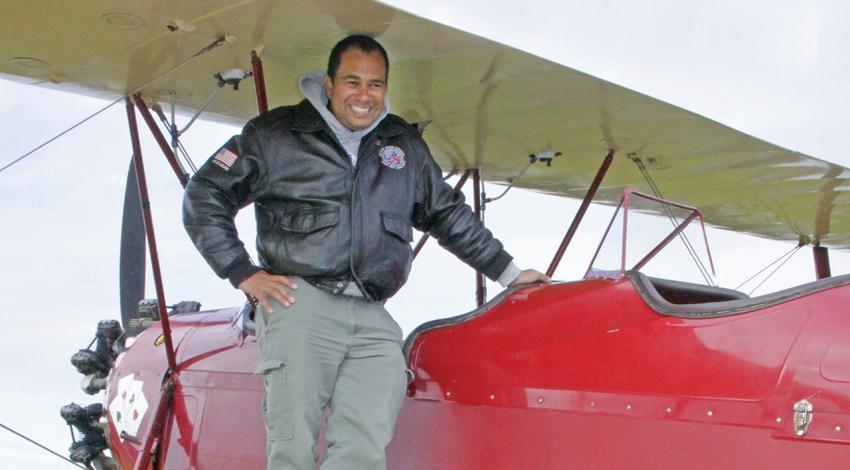
Scattered across the rural landscape of the Buckeye State are hundreds of small, grass airstrips, their owners housing vintage airplanes in nearby hangars and barns. A private plane, even though dated, is not inexpensive to purchase or maintain; the pilots — both men and women — do so for one simple reason: their love of flying.
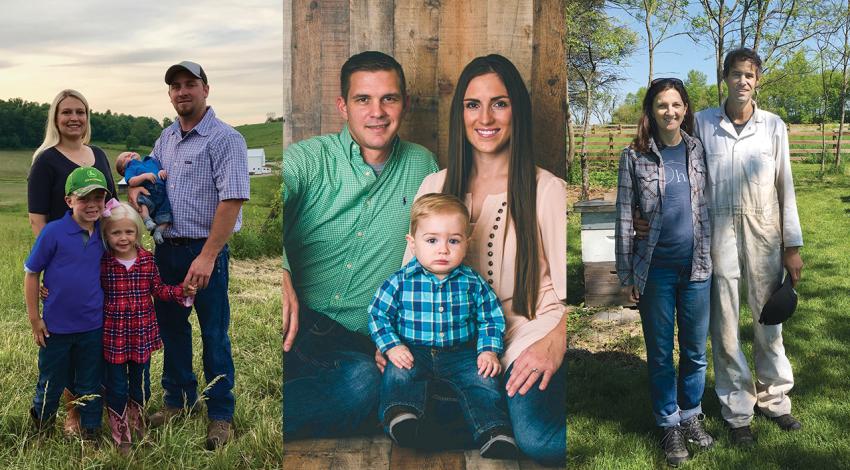
Some members of today’s younger generations — millennials and Gen Zers, if you will — favor a trendier, urban lifestyle, with conveniences like Uber rides and food trucks, bike-sharing, live entertainment, and ethnic eateries. But we found some young adults who prefer working the land, carrying on centuries-old legacies, rearing kids with an appreciation for nature, and growing acres (and acres!) of crops, raising livestock — even tending bees.
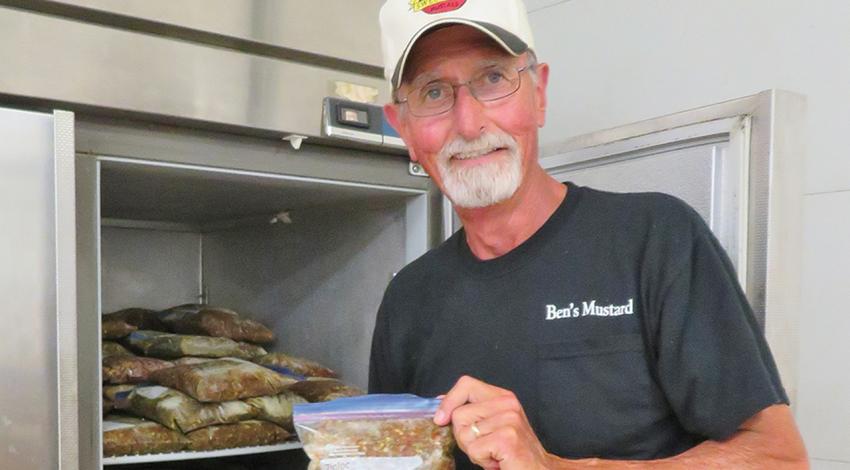
According to the wall clock in the Ben’s Mustard cannery, it’s 1 p.m., but owners Bruce and Karen Neff have already put in a full day’s work.
We’ve all heard some form of the notion that a butterfly flapping its wings in Brazil can set in motion a chain of events that causes a hurricane in China. It’s a way to express how complex systems like our weather or the environment are tied together by complex relationships that are difficult to recognize or understand.
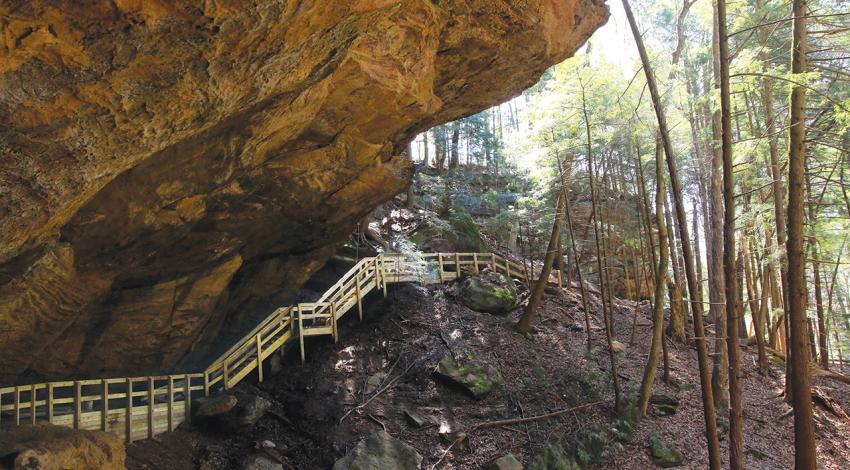
Jim Schaefer is a northeast Ohio native who’s dedicated his life to “improving Ohio.” Jim and his wife, Joan, have a particular passion for Hocking Hills State Park, where their family has visited for more than 30 years.
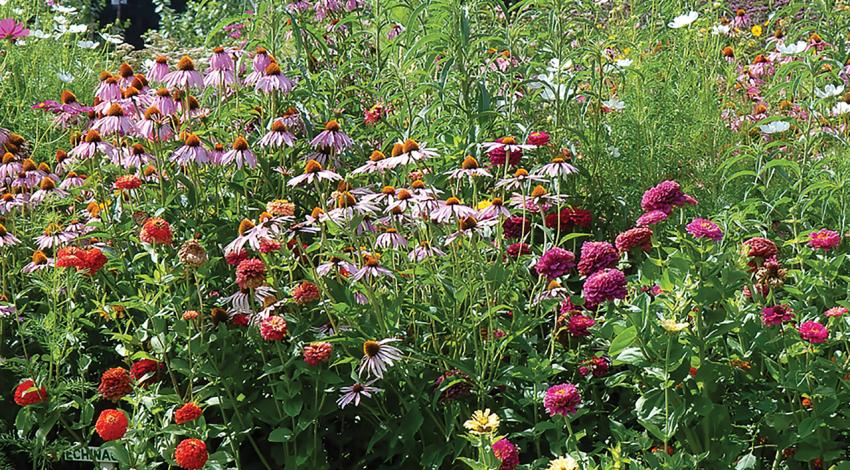
Looking for a quick and easy way to rejuvenate your garden and generate more plants? Then it’s time to dig in and divide your old or overcrowded perennials. It’s one of the easiest and fastest ways to gain more plants. Division not only helps to control the size of aggressive perennials but will also revitalize new divisions so they bloom more freely and increase the overall performance for years to come.
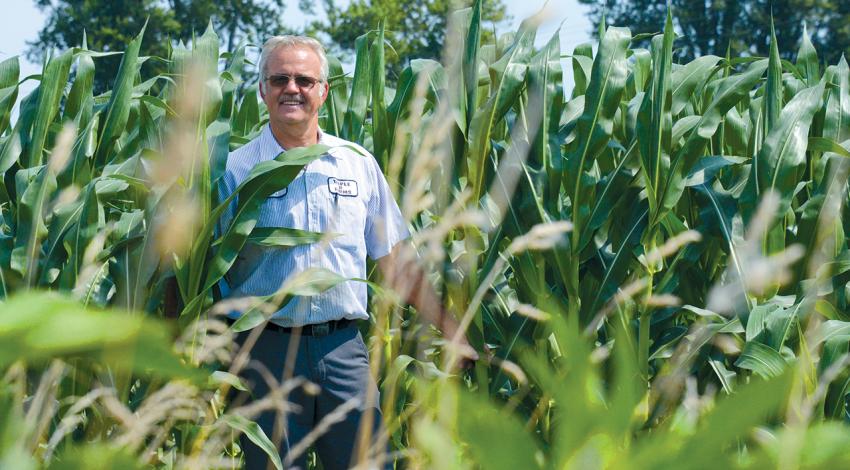
Roger Rank has grown popcorn on his fields near Van Wert for almost 40 years. For much of that time, the early part of each harvest has had to go to waste in order to comply with some of the regulations and demands of the distributors who bought the crop.
But lately, he’s found a use for those first kernels of the season. Instead of disposing of them, he donates a portion of that crop to various organizations.
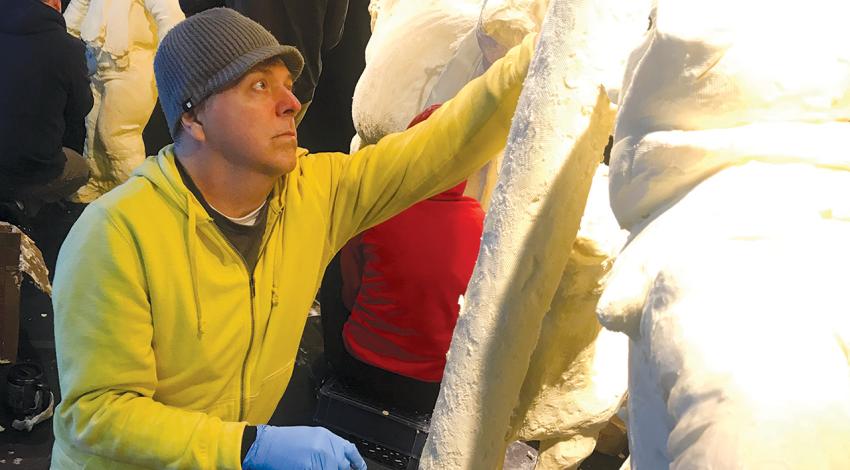
The five sculptors know how important their role is. Within their capable hands is a tradition that some will experience for the first time this year and others perhaps the fiftieth time — one that thousands of people look forward to every year.
“The butter sculpture display is one of the most loved traditions of the Ohio State Fair,” says Jenny Hubble, senior vice president of communications for the American Dairy Association Mideast, which represents dairy farmers in Ohio and West Virginia. “Ohio’s dairy farmers are proud to support it.”
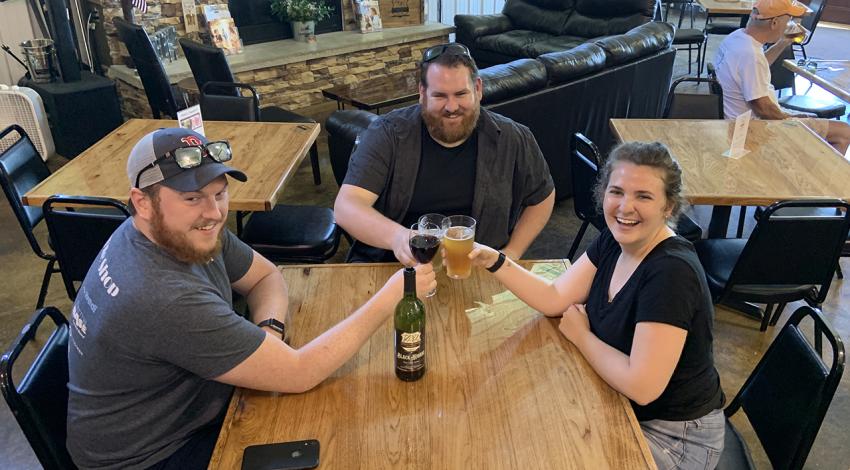
What’s in a name? Dalton Union Winery and Brewery’s name is packed with meaning. Owners Dale and Tonya Mabry liked “Dalton” because it’s a portmanteau word, combining three letters from their first names, while “Union” alludes to their relationship and location. “The two of us are a union,” says Tonya, “and we’re in Union County.”