Tucked against the base of Mad River Mountain in Bellefontaine is one of Ohio’s smallest co-ops, Logan County Electric Cooperative (LCEC). What the co-op might lack in size, however, it makes up for in service. General Manager Rick Petty and his staff prioritize connections with their more than 4,600 consumer-members in their mission to provide local, safe, reliable, affordable electricity.

The 2016 elections demonstrated the influence of rural voters — and, therefore, let elected officials know in no uncertain terms to pay attention to the needs of rural America.
While the National Rural Electric Cooperative Association has a team of government affairs professionals lobbying Congress every day, local cooperative leaders make an annual trek to Washington, D.C., every April so those federal policymakers hear directly from folks from their district or home state.
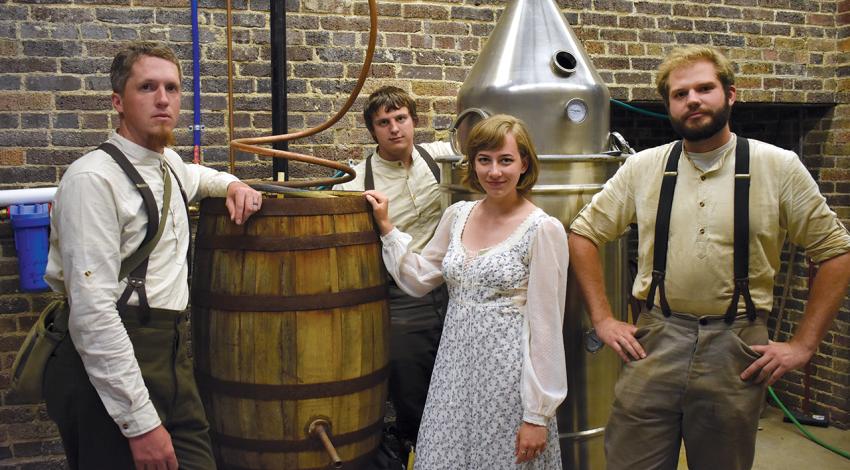
For centuries, moonshine has loomed large in the American imagination — the illegally produced liquor was a key part of the underground economy of many states in the South and in Appalachia. During Prohibition, backwoods moonshiners helped supply speakeasies across the country. NASCAR has its roots in the souped-up cars used by moonshine runners to transport booze. Moonshiners have been the subject of dozens of movies, hundreds of songs, and numerous TV shows, from The Dukes of Hazzard to Moonshiners, a reality show on the Discovery Channel.
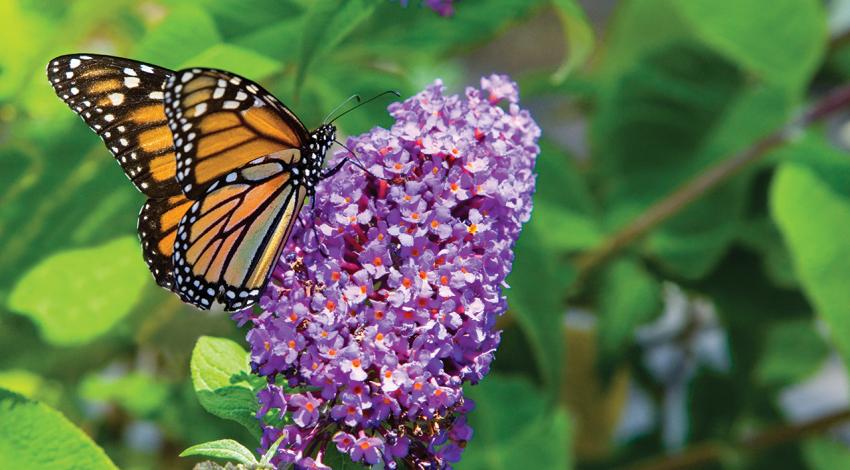
Many gardeners fill their space with flowers to attract butterflies, but how would you like to have a garden where the complete life cycle takes place? You can grow and raise your own butterflies, from eggs to interesting caterpillars to the beautiful winged creatures. With the right habitat, you can enjoy lepidoptera all season long and even host the same species in your garden year after year.
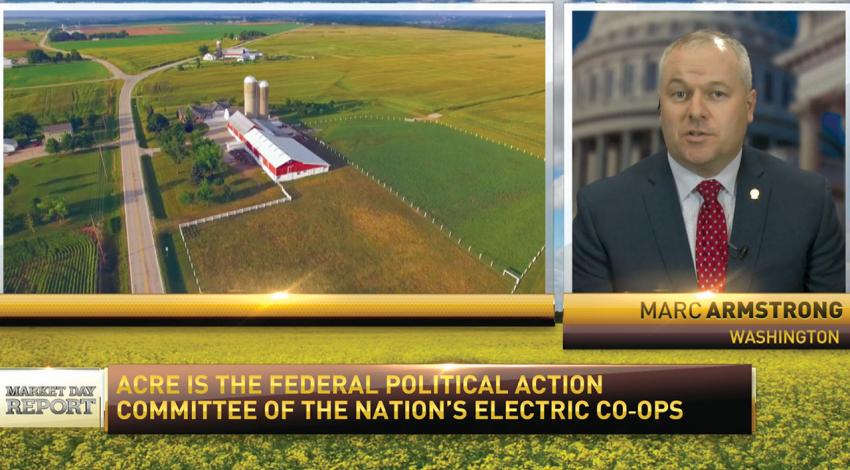
Electric cooperatives have a long history of providing service where there was an unfilled need. It’s a story that especially resonates with Patrick Gottsch.
In the late 1990s, Gottsch, then a sales executive for a successful livestock auction, looked at cable television lineups around the country and noticed something missing: there was no rural-focused programming anywhere on the dial.
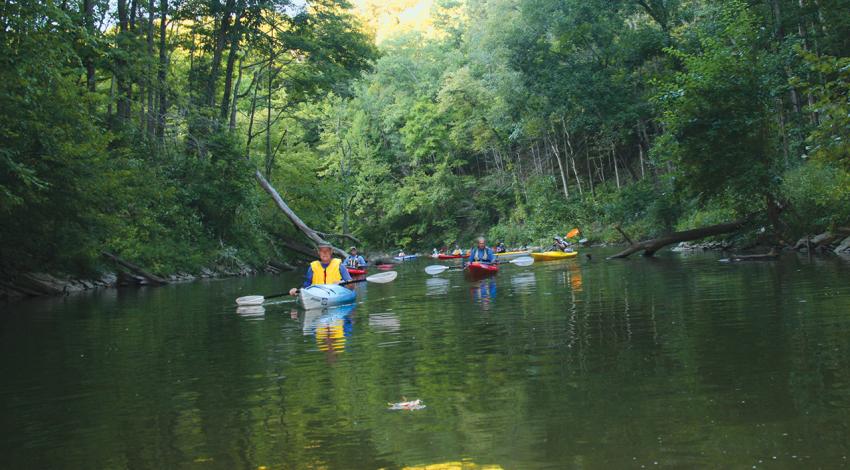
Ohio has a delightful abundance of lakes and rivers to explore, and a kayak is the perfect way to do it. A happy thing about lakes: There are no worries about paddling upstream or needing an extra car and a pickup place downstream. Just relax and enjoy the view, or make it aerobic and paddle hard.
If fishing is your fancy, wet a line and see what’s biting. Like birding or nature watching? Take binoculars and a camera. From your kayak, you can spot that elusive bird flitting in the treetops, get close to the turtles sunning on rocks, and watch the fish swimming beneath you.
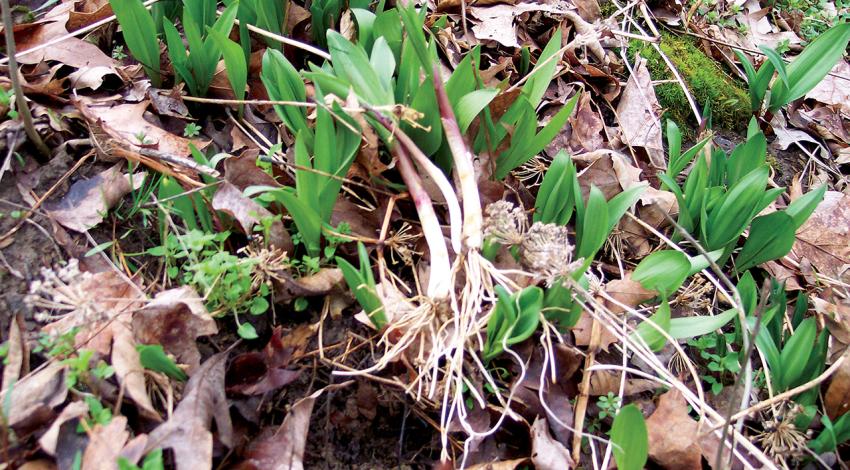
The pursuit of fortune often leads people far from home. Sometimes, however, Lady Luck shows up unannounced literally right in your own backyard.
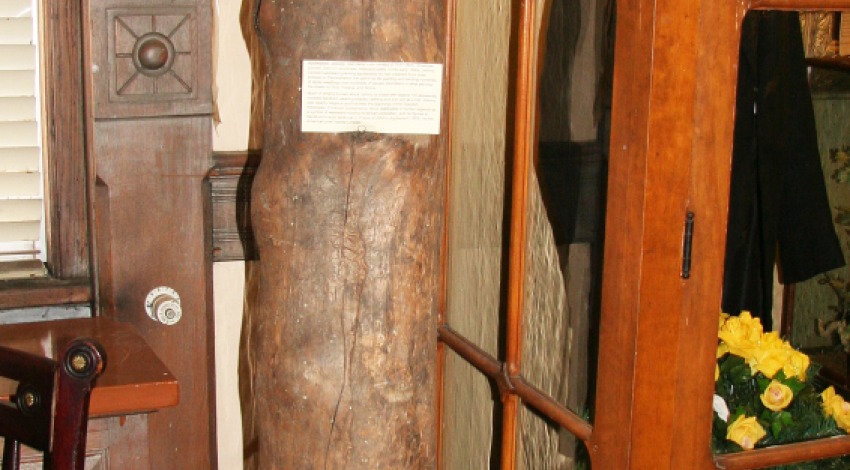
In 1976, David and Jane Kunkler purchased 40 rural acres in Perry County at a sheriff’s sale, built a home, and moved in. “The land had been uninhabited since 1888,” David Kunkler says. “A family by the name of Elder last lived on it. The husband and wife raised 13 children here.”

Many of us gardeners have our vegetable favorites, but truth be told, I’m a bit biased when it comes to broccoli. Not only do its flowers attract beneficial insects, but its culinary versatility and ease of growing make this cool-season favorite one of the most desirable vegetables to grow in the kitchen garden. When grown in the cool weather of spring or fall, the result is a sweeter-tasting head with gourmet flavor. Growing broccoli with sweet, tender, tasty heads is all about getting plants off to a good start, keeping them content, and heeding the signs.
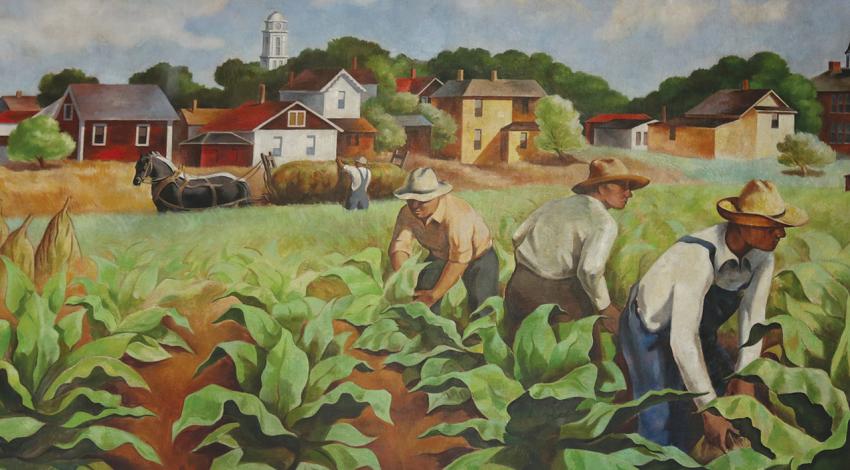
During the Great Depression, two federal programs — the Public Works of Art Project (PWAP) and the Federal Art Project (FAP), which was a part of the Works Progress Administration (WPA) — put thousands of artists to work. Murals were painted across the U.S., including more than 60 in Ohio, with post offices reaping the bounty.
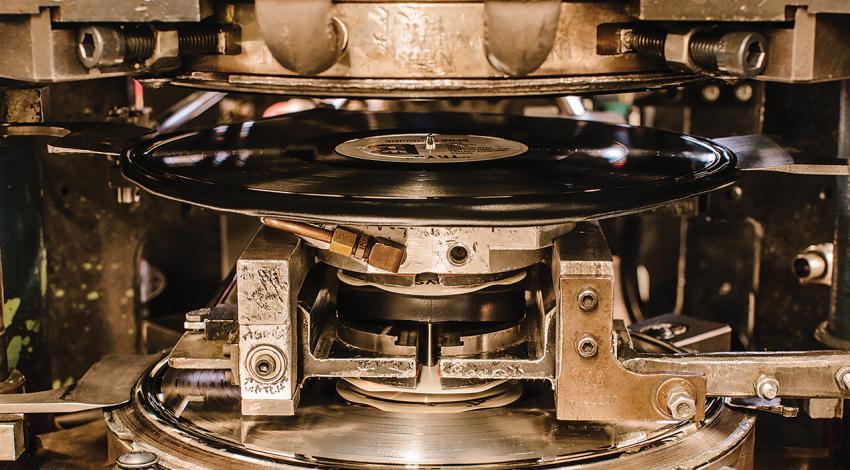
When Vince Slusarz and Matt Earley teamed up to open Gotta Groove Records in Cleveland, a casual music fan might have wondered if they were out of their minds. In 2009, the facility was one of the first new record-pressing plants to open in decades — long after sales of vinyl LPs had been eclipsed by CDs, downloads, and music-streaming services.