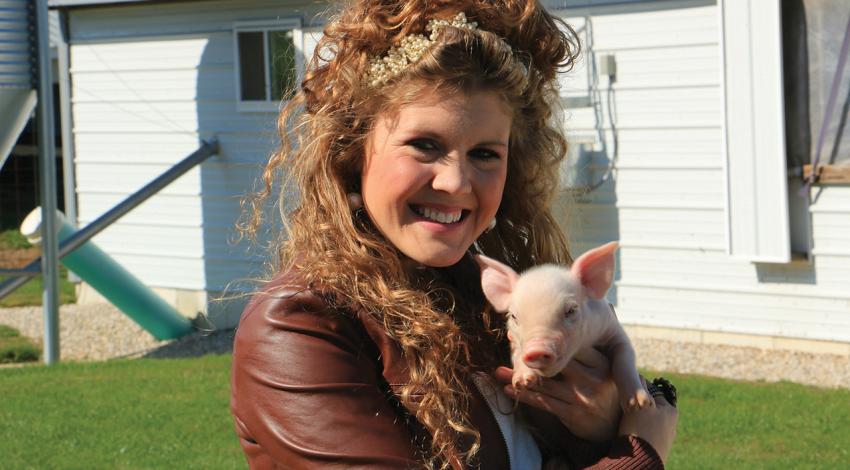
Electric cooperatives across Ohio had a busy and largely successful 2018, continuing to improve the reliability of your electric service while striving to hold down cost.
The year’s highlights:
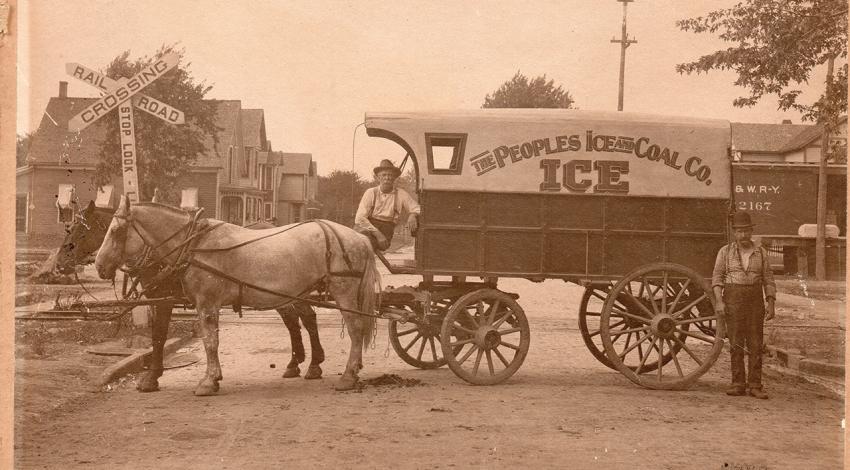
Let’s look to the future: It’s mid-July and incredibly hot, just as it’s been every summer. On one of those 80-80 days — in the ballpark of 80 degrees accompanied by 80 percent humidity — the condensation pools on the table around the base of your glass of iced tea.
Conveniently, ice is but a few steps away. Open the freezer, twist a white rectangular tray, and cubes fall out; push a button on the door and crescent-shaped ice chips cascade into your glass.
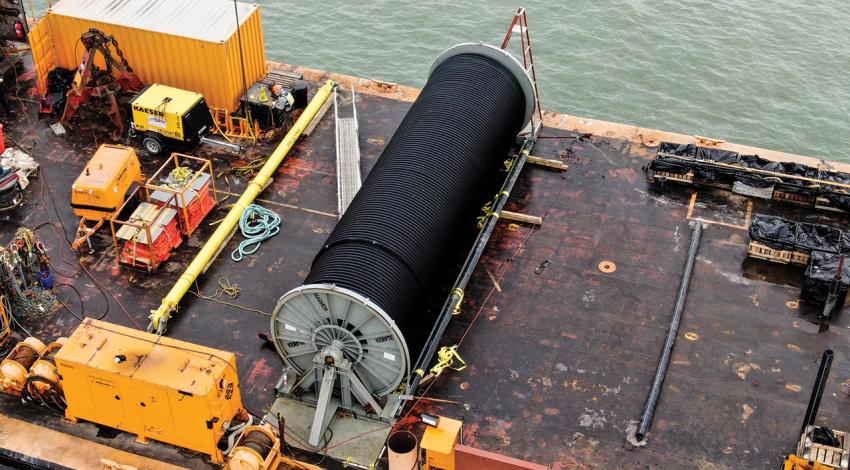
Supplying electricity to an island is no small feat. Supplying reliable electricity to the largest American island on Lake Erie is a monumental task.
Kelleys Island, one of the most popular tourist destinations anywhere in Ohio, is entirely served by Hancock-Wood Electric Cooperative, which has been charged with that job since its 1967 consolidation with the former Lake Erie Electric Cooperative.
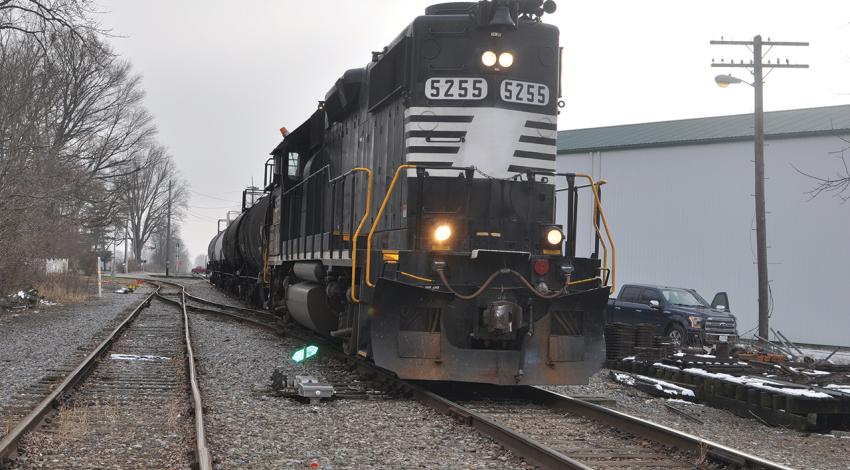
Layhigh Road is a little-traveled ribbon of asphalt in rural western Butler County. Occasionally, however, a traveler might encounter a sleek, black locomotive emerging from the woods and thundering down the track that crosses Layhigh behind an X-shaped crossbuck. As quickly as the locomotive appears, it fades away, a phantom train in broad daylight.
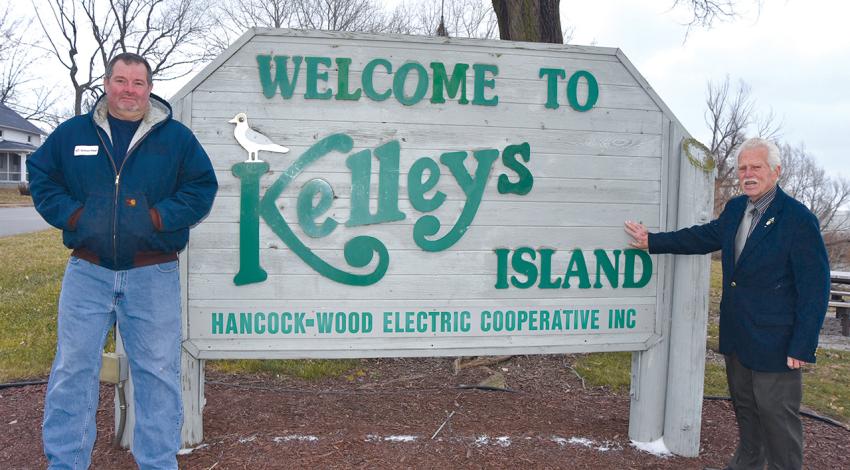
Hop on a huge ferry boat, and after a 20-minute ride through the choppy Lake Erie waters, you’ll arrive at the idyllic Kelleys Island, about 4 miles north of Marblehead, Ohio, and the largest American island on the lake. The island is home to about 140 year-round residents, though the population swells to well over 400 residents and 5,000 tourists during the busy summer months.
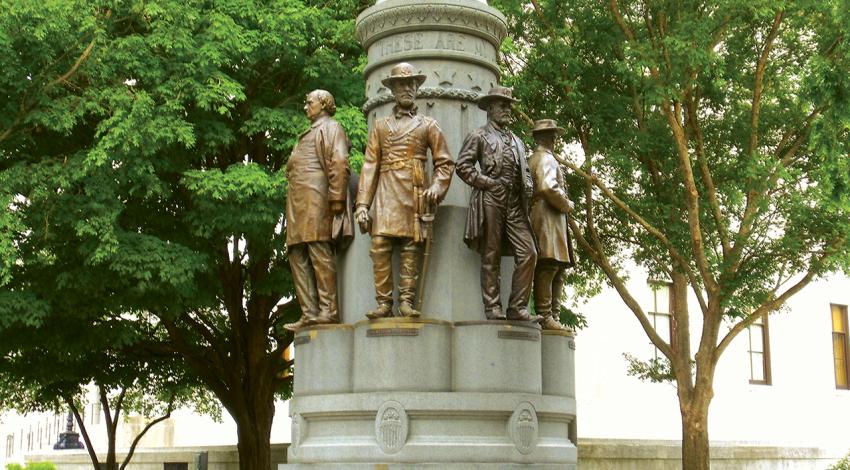
Location: On the grounds of the Ohio Statehouse at the northwest quadrant of Capitol Square. Provenance: Created for an Ohio exhibit at the 1893 World Columbian Exposition in Chicago, These Are My Jewels is a sculpture featuring bronze statues of seven Ohioans — Salmon P. Chase, James A. Garfield, Ulysses S. Grant, Rutherford B. Hayes, Philip H. Sheridan, William Tecumseh Sherman, and Edwin M.
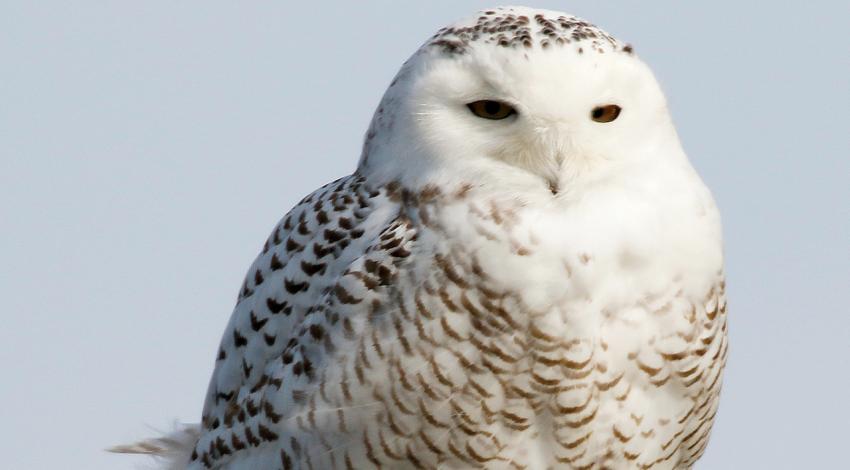
On Thanksgiving Day 2017, an uninvited guest arrived at an Amish farm just a few miles north of Berlin, Ohio — and decided to stay. It was a young snowy owl, and the bird hung around for several weeks, perching atop the peaks of Orris Wengerd’s several barns. It quickly became a celebrity, attracting hundreds of birders and photographers.
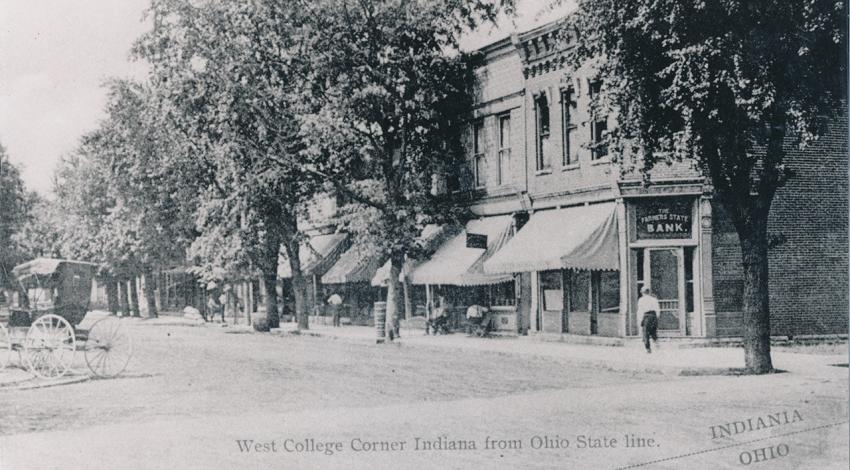
Maps make for good reading. In the names of places, you’ll find some history, drama, romance, biography, and even some fiction — or at least some mistakes. All that and more lies within a map covering College Corner, Ohio. It’s a quaint place, an unassuming, long-established village with quirks that few towns anywhere could claim.