They say that March comes in like a lion and goes out like a lamb. However, the opposite holds true for Ohio Cooperative Living. This month marks the two-year anniversary of the publication’s debut, when we quietly but deliberately retired the magazine’s predecessor in favor of a contemporary redesign, a closer focus on our members, and, most notably, a new name.

Location: The only place in the world where KitchenAid stand mixers are produced is the KitchenAid factory at 1701 KitchenAid Way in Greenville.
Two Ohio electric cooperative nominees have been named winners in a national contest by Touchstone Energy Cooperatives, the nationwide alliance of more than 730 consumer-owned electric cooperatives. Touchstone sponsors the #WhoPowersYou contest to honor co-op members for demonstrating their concern for their respective communities, which is one of Touchstone’s core values. The awards come with cash prizes to help the winners continue their valuable work.

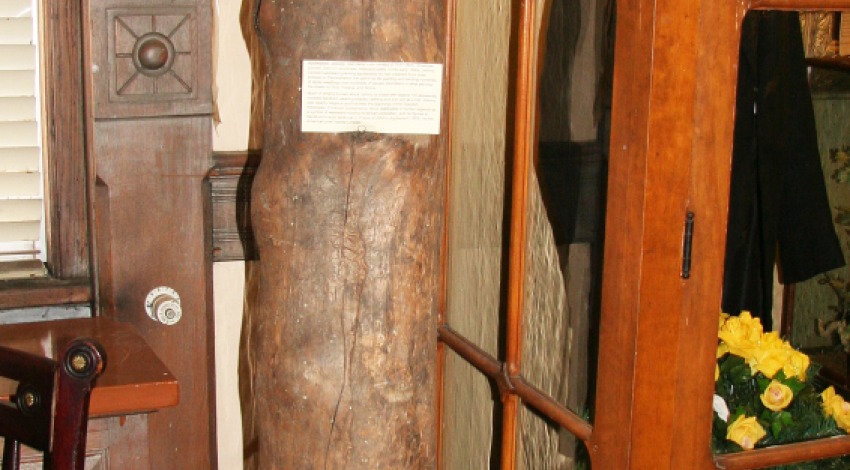
Pioneer Electric Cooperative, based in Piqua, is a celebrity among cooperatives, if there can be such a thing. On Nov. 14, 1935, just six months after President Franklin Roosevelt’s executive order creating the Rural Electrification Administration, a crowd of more than 500 farmers, businessmen, and statesmen from around the country gathered in Piqua to watch workers set the first REA utility pole in the nation.
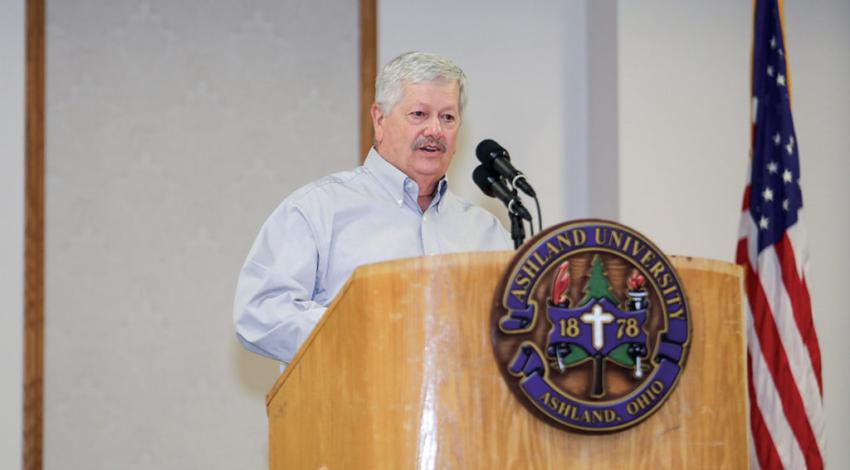
John Martin braved one of those arctic January Ohio mornings to come from his home near New London to Columbus for training that would help him in his newest position.
Martin, a retired CSX signaling supervisor, had been elected to the Firelands Electric Cooperative board of directors only a few months earlier. Since a director’s decisions impact issues such as service rates, rights-of-way, and work plans, it’s a position of great responsibility. It requires people who understand their community’s needs and have a desire to serve the cooperative consumer-members’ best interests.
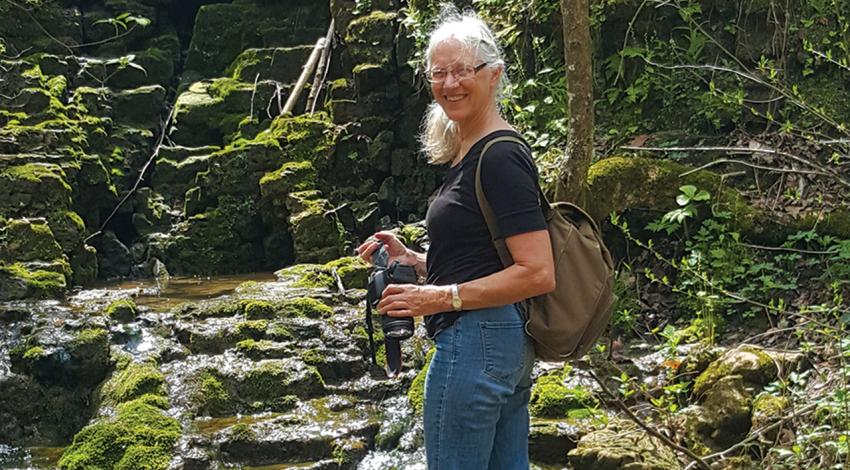
Ask Nancy Stranahan, “What’s the point of preserving plain old woods?” and you’re certain to get an earful.
“I’d say guilty as charged, except for the word ‘plain,'” Stranahan says, explaining that southern Ohio’s hardwood forests are the last best chance to save an ecosystem that has one of the highest levels of biodiversity in the world. “The fact that 100,000 multicellular native organisms are at stake takes ‘plain’ out of the discussion.”
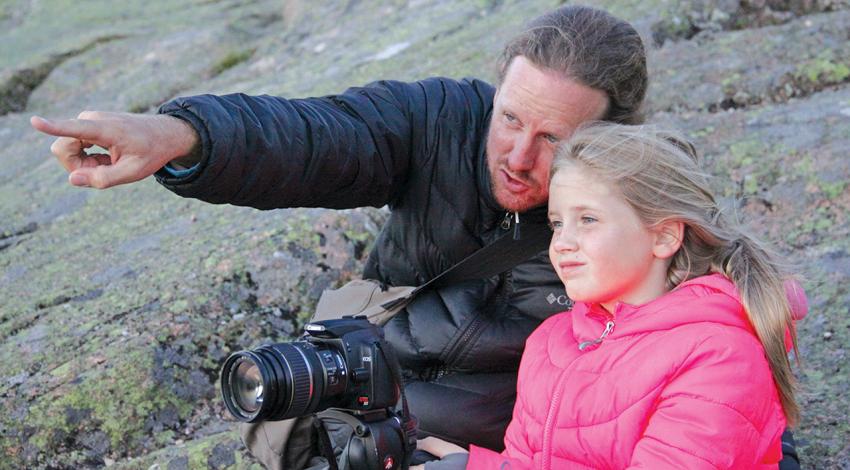
When I was a kid, my mother couldn’t keep me indoors. I was constantly roaming the woods and fields near our home, dragging back sick and injured wildlife — probably to the animal’s detriment. But the day Mom drew the line (“No more critters!”) was the day she saw me coming down the road with a live great blue heron under my arm. The 4-foot bird with the dagger-like beak was nearly as tall as I was.


Ohio’s electric cooperatives had a busy and successful 2018. As we look ahead to 2019, we’re excited about the opportunities to work safer, to work smarter, and to inspire greater impact on the communities we serve. We’ve forged the foundation for each initiative, and we’ll “check and adjust” our efforts, as warranted.