Valerie Graham, executive director of the Ohio Christmas Tree Association (OCTA), counts among her managerial responsibilities assisting tree farmers across the state with Operation Evergreen, an annual service project that gives fresh-cut Christmas trees and decorations to overseas military units. The project helps to bring a bit of home to soldiers who can’t be with their families at the holidays, and Graham says it’s one of the most rewarding aspects of her position.

Pumpkin pie may rule on Thanksgiving, but at Lebanon’s Golden Lamb, Sister Lizzie’s Shaker sugar pie gives it serious competition. The cream-style pie, a perpetual customer favorite, is based on a recipe that was accidentally discovered after Robert and Virginia Jones purchased the Golden Lamb in 1926.

It’s a shame that holiday lighting can lead to higher energy bills, but the good news is that there are strategies to let you save money without dampening your holiday spirit.
One of the best ways to save energy is by using LED lights, which consume about 80 percent less energy than incandescent bulbs. An individual’s potential savings depends on several factors, including your electric rate and how many hours your holiday lights are turned on.
Almost daily, I find myself disappointed, even upset, with the words and actions of people in leadership positions — politicians, business executives, media talking heads — saying and doing things that range from annoying to just plain wrong. Perhaps you can empathize. But as I consider how to “fix” the problems, I soon realize how blessed we are with the system we have and with the people in our families, in our communities, at work, and behind the scenes who make everyday life great. That gratitude certainly extends to the electric cooperative community.

Location: In addition to its headquarters and roasting and training facilities on Alum Creek Drive in Columbus, Crimson Cup Coffee and Tea owns and operates two coffee shops in the city’s Clintonville and Upper Arlington neighborhoods plus another inside the Greater Columbus Convention Center. The company also has a fourth location in the Akron suburb of Tallmadge.
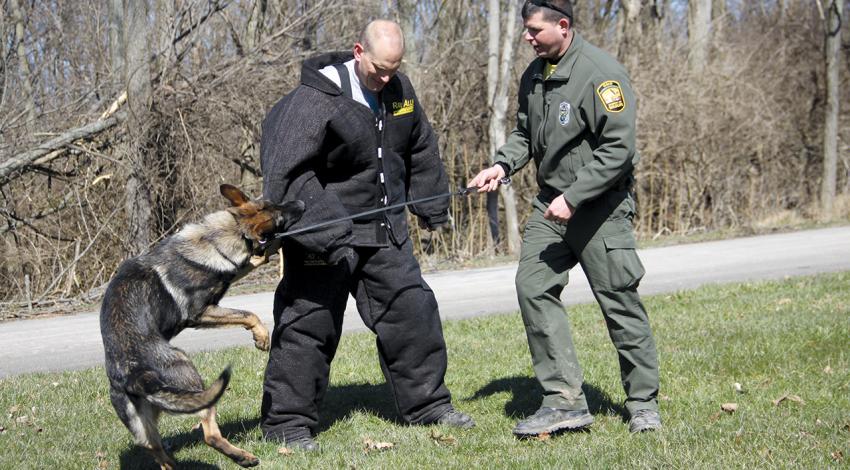
As hunting seasons open this fall, the Ohio Department of Natural Resources (DNR), Division of Wildlife will have five more wildlife officers patrolling the state’s woods, fields, and marshes. Unlike the other 100 or so state wildlife officers, the new recruits will have cold, wet noses and wagging tails; they’re K-9s.
For the first time in its nearly 70-year history, the Ohio DNR has joined more than 20 other state conservation agencies in employing K-9 officers. During the past year, five dogs and their handlers have been trained and assigned — one per wildlife district.

Electric cooperatives across Ohio join the nation this month in honoring veterans of the U.S. armed forces — America’s courageous protectors, defenders, and heroes. Not only do the co-ops acknowledge veterans’ dedication to our country, but we are truly grateful for the unique strengths and noble characteristics they bring to the co-op family.
We recognize all of our veteran-employees, and here, we talk to a few of them.

Story (exerpted) and photo used by permission from the (Steubenville) Herald-Star
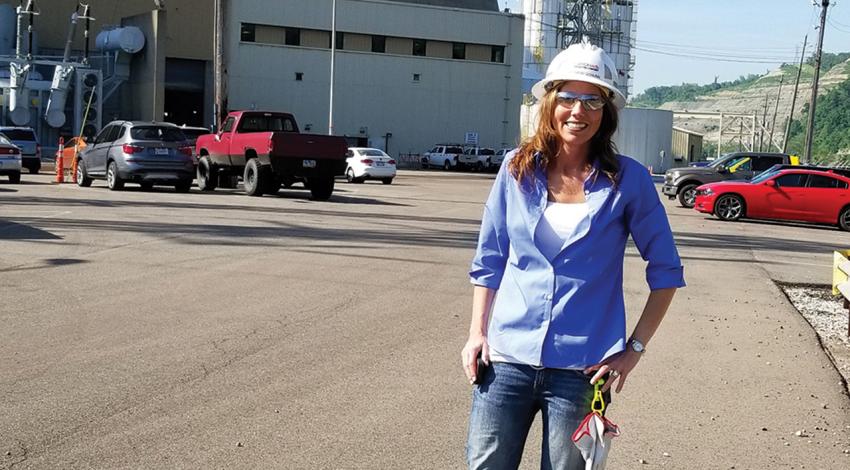
Bethany Schunn is a chemist by trade. In fact, she began working in the power industry in 2005 at the American Electric Power Conesville Plant chemistry lab, and eventually climbed the ranks to become maintenance superintendent there.

Successful individuals often amass museum-worthy collections reflecting their interests — works of art, luxury cars, fine wines, even historic structures. While Libbey’s glass earnings launched the Toledo Museum of Art and Ford’s automobile funds built Greenfield Village, Pure Oil Company President Beman Dawes pursued a more down-to-earth passion: He collected trees.