
Everyone has to start somewhere, career-wise. Many times, that means internships for those who are trying to sort out possible paths. For decades, explorers who have come into an internship at an electric cooperative have found a “home away from home” — a family feeling with smaller staffs that allow for both learning opportunities and advancement. Electric co-ops are companies that care about their employees; they offer good pay, stellar benefits, and a friendly environment.

Dave Buschur saw the opportunity for his business; he just wasn’t sure he could take advantage of it. Buschur is president of Buschur’s Custom Farm Service in Maria Stein, which, among other services, hauls poultry, swine, manure, and grain for area farmers.
“We saw a need for a bio-secure automatic washing facility for trucks and trailers,” Buschur says. “It’s not a requirement, it’s just good practice to decontaminate after every run — you sure don’t want to be the reason anyone’s birds get sick — and there’s nothing else like this around for 500 miles.”

Ohio is generally a dog-friendly state — more than a third (36.6 percent) of the state’s households include a canine resident — and research tells us that nearly two-thirds of dog owners consider their pup to be a member of the family. So when summer travel beckons, it’s nice to know where your tail-wagging pal can come along for the ride.
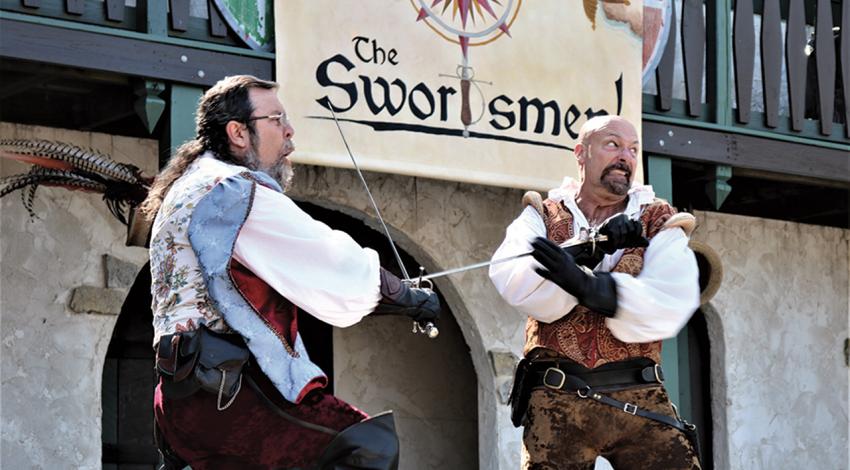
Ohio Renaissance Festival
Harveysburg
Beginning Labor Day weekend, the woods at Renaissance Park become enchanted as the clock turns back to 16th-century England. Step into the village of Willy Nilly-on-the-Wash, where history blends with fantasy in a joyous mix as strolling minstrels, swashbuckling pirates, fair maidens, kilt-clad gents, and more beckon, “Come play.”
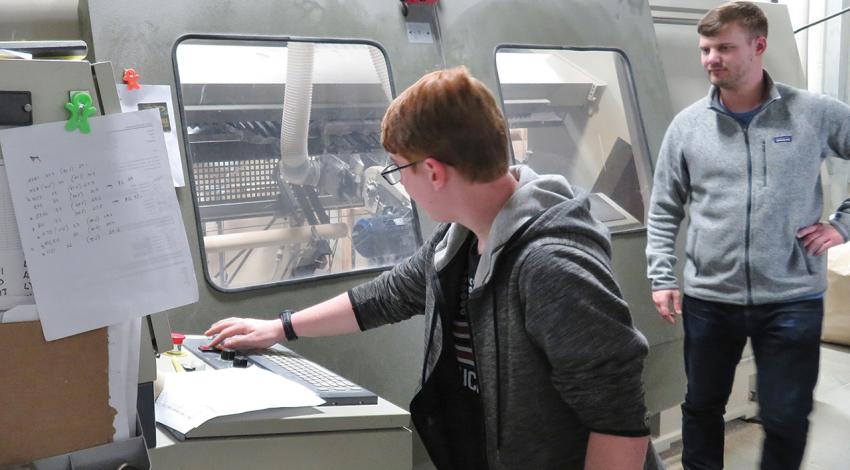
Manufacturers throughout the state open their doors to the public, offering tours to demonstrate how they produce everything from modern vehicles to old-school items and providing prime examples of the Buckeye work ethic.
Plan ahead: Since production schedules can affect factory tour availability, always call to confirm dates and times.
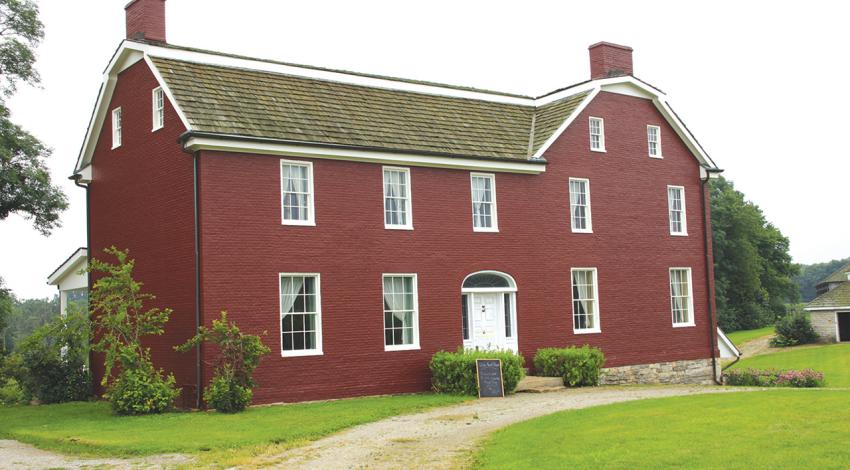
During the early 1800s, Ohio was the western edge of America’s frontier. A few Native American tribes still remained in the state, but the Indian Removal Act numbered their days. Passed by the U.S. Congress in 1830, the Act required all Indians living on reservations to move west of the Mississippi. The last to leave the Buckeye State were the Wyandot, and the man tasked with making that happen was John Johnston (1774–1861).