
Last month, I offered tips on how to hire a good contractor, but it’s smart to realize that contractors need to be managed after the hiring is complete.
First, clear communication is critical, because a renovation that includes energy efficiency improvements comes with extra challenges. Identifying a single point of contact will help avoid confusion, conflicts, and cost overruns.

“I’m just waiting for him to come in the door going, ‘Got ya, mom.’ He was good at playing jokes on us all — but I know he’s not actually coming. It’s like a nightmare.”
Mary Allison speaks through teary eyes about her son, Chris Landers. She was on vacation with her daughter last September when she got the call that Chris, a 41-year-old lineman from Cordell, Oklahoma, had been killed on the job — electrocuted after leaning into a power line he thought had been disconnected for repair.
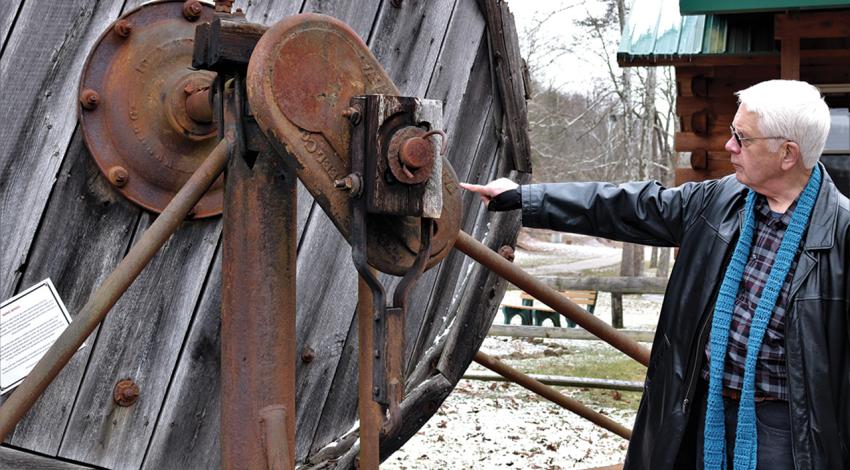
On August 4, 1879, before the sun rose over the craggy mountains in western West Virginia, the oil boomtown of Volcano turned into a “lake of fire.” By the time the blaze died, Volcano was almost gone. The post office, opera hall, bowling alley, saloons, and all but a few buildings had been reduced to ash.
The fire didn’t end Volcano’s existence right away, as a few remained to continue oil production, but what had been a bustling burg was on an irreversible path to becoming the ghost town that it is today.
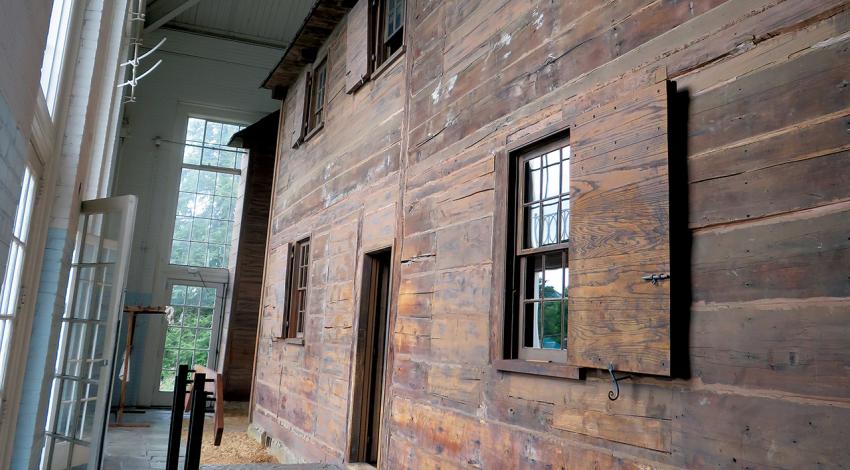

It was 25 minutes past noon when I scored the last serving of the Friday lunch special — scalloped potatoes and ham — at the Auction Restaurant in Shipshewana, Indiana. Just seconds after I ordered, a young man sat down and asked for the special too. “It’s all gone,” said the waitress, a pleasant, middle-aged woman wearing an apron, plain blue dress, and white bonnet. “Well, I was wanting it all morning,” he complained, then settled for a prime rib sandwich.
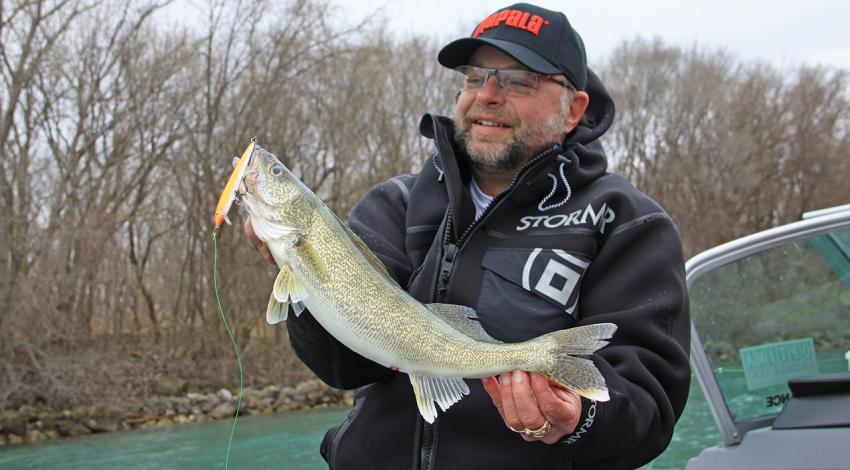
I admit it: I’m hooked on fishing. Like most addicts, I like to believe I can quit at any time — just walk away. But deep down I know that’s not true. We fishermen even have an expression to explain our illness: “The tug is the drug.”
Last April, for instance, I was fishing the Detroit River, which is always cold in early spring. Even though the air temperature was in the low 50s that morning, high winds had 2-foot waves white-capping the 42-degree water, and it felt like winter.
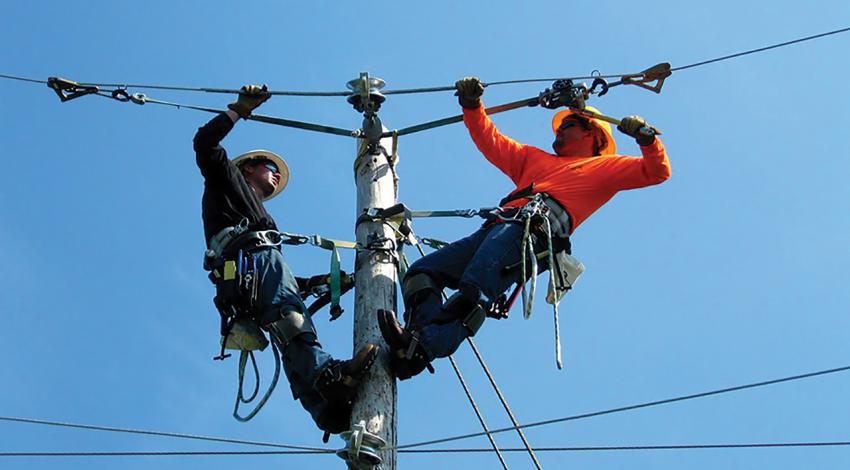
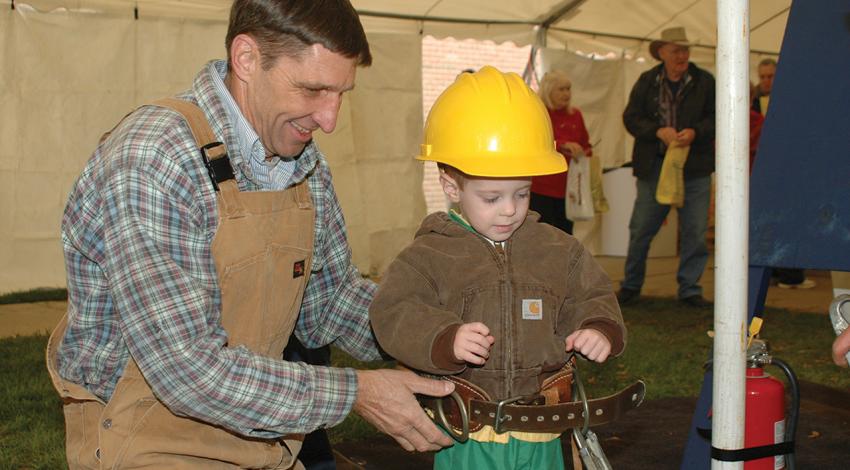
As spring blooms across Ohio, we also prepare for the inevitable thunderstorms that accompany the season. This past winter, we’ve done more than ever to prepare for the storms, car accidents, and other events that cause lights to go out. The Central Ohio Lineworker Training (COLT) program has been busier than ever, taking advantage of the new indoor facility that we built last year to train both apprentice and journeyman lineworkers about safe and effective methods to repair, and enhance, our electric network.
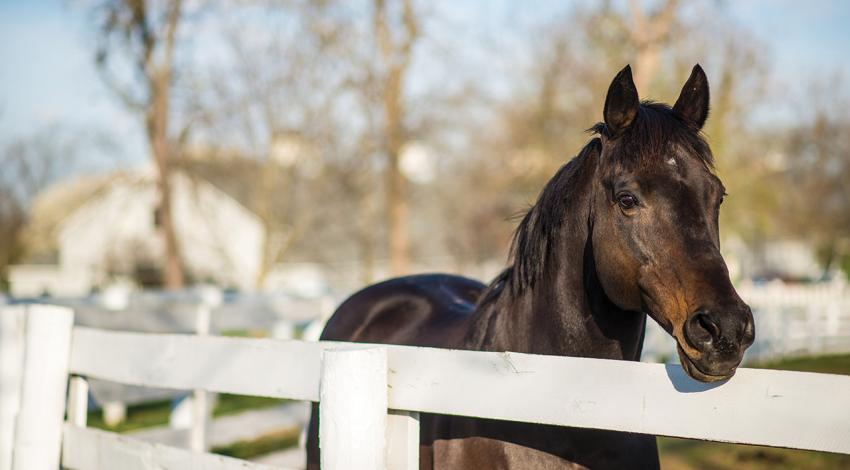
The horse is Kentucky’s icon, and no place celebrates all things equine better than Kentucky Horse Park.
Located just outside Lexington, the park is like Disneyland with horses. Pristine grounds and specially designed buildings echo the beauty of the surrounding Bluegrass horse country, while programming and activities harness humanity’s relationship with horse breeds throughout the globe.