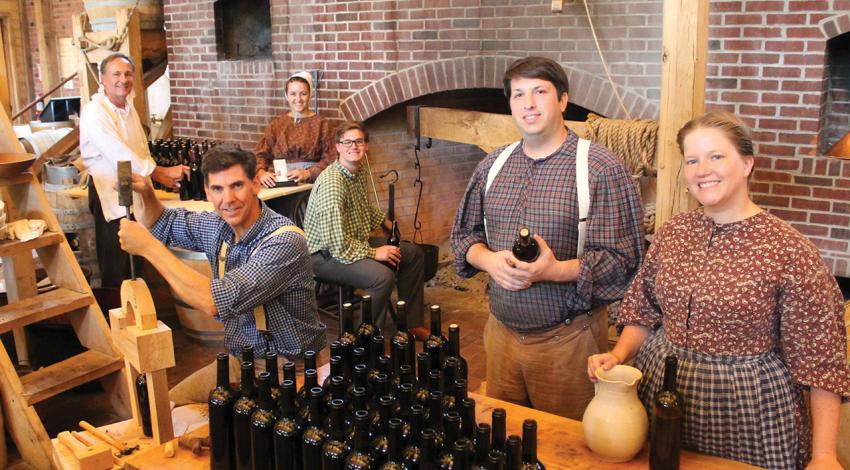
When people patronize Carillon Brewing Company in Dayton this month, they’ll discover a Valentine-worthy beer — beet ale — that’s vibrant, earthy, and perfect for winning over hearts and waking up taste buds. “It’s a red ale, made from beet sugar, that’s sweet and very tasty,” says Brady Kress, the Dayton History president and CEO who masterminded Carillon Brewing.
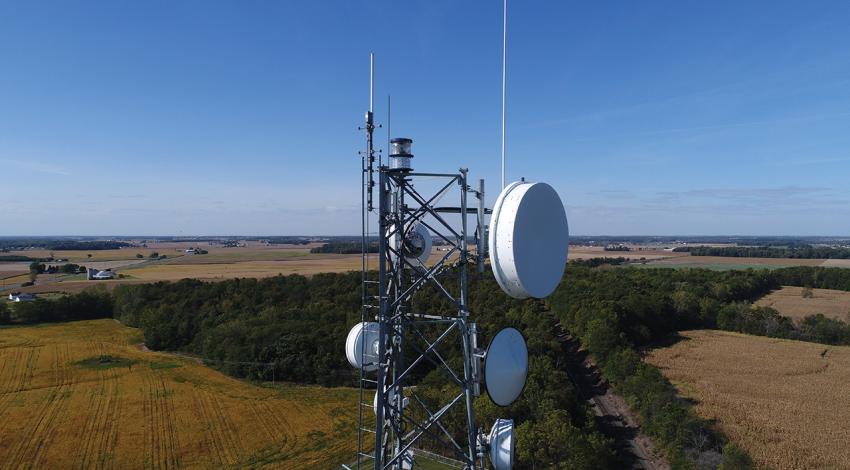
There is a 140-foot-tall communications tower positioned at Mid-Ohio Energy Cooperative’s substation in Ada that’s vital to the co-op’s mission to provide reliable electric service to its more than 8,000 owner-members.
At the top are two radios that are part of Mid-Ohio Energy’s microwave communications network — one that communicates with another substation, and another that points back to the co-op office in Kenton — and unless both are working, the co-op would have difficulty communicating with critical systems at several substations.
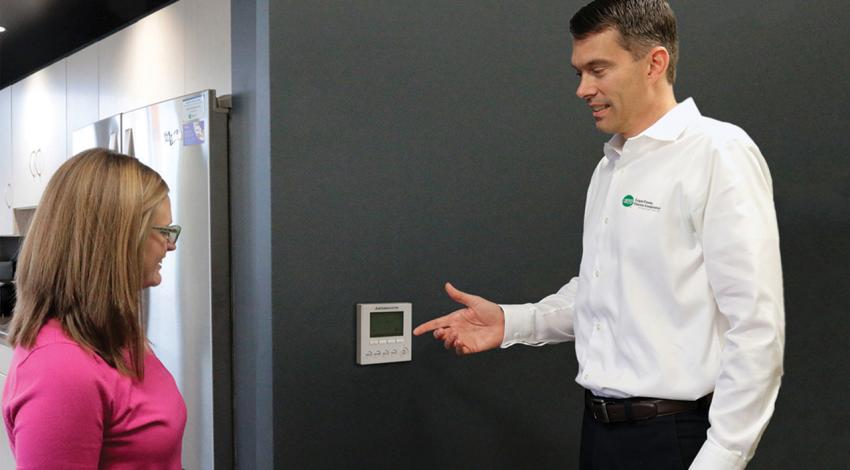
If you still have an old dial thermostat controlling the temperature in your home, you might take note of new technology available that lets thermostats do things they never could before. That said, it’s worth asking if these new thermostats can save enough money to justify the extra cost.
There are three main types of thermostats: manual, programmable, or smart.
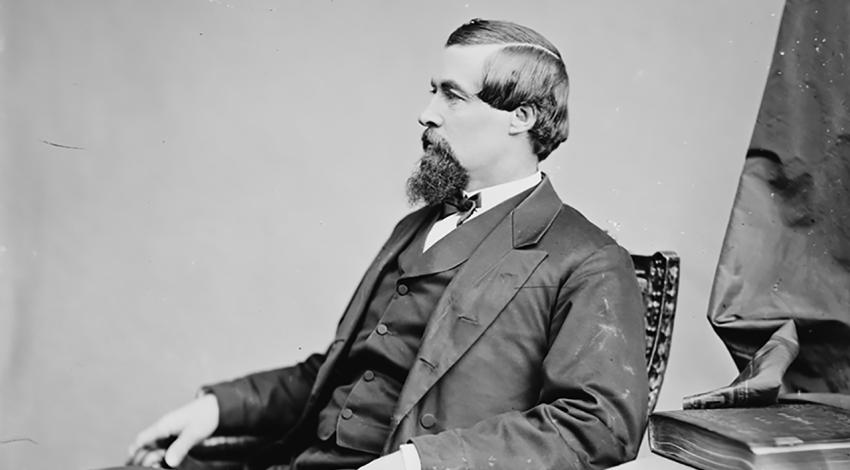
The year 1868 was one of turmoil and uncertainty in this country, when the very Union itself was in crisis. One man’s act of valor — not on a battlefield, but in a legislative body — may have been the deciding factor that held the nation together.
Edmund G. Ross cast the deciding vote in the staid United States Senate to acquit the impeached President Andrew Johnson in May of 1868. The vote earned him the widespread scorn at the time. But his act of conviction — ignoring both attempted bribery and physical threats — put him on the right side of history.
Each winter, Ohio is invaded by mysterious aliens that sail south from Canada on silent wings. But these migratory birds — short-eared and long-eared owls — are no longer feared as the portenders of death that most owls were during centuries past. Rather, a glimpse of the owls is eagerly sought by today’s birders as a special seasonal treat, another check mark to add to their life list.
The pointed protuberances on the heads of these two owl species that give them their names are not really ears, but rather, just feather tufts.
Safe, Clean, Reliable, and Affordable: I often use these words to describe the electric power supply that Buckeye Power and all of the electric cooperatives around the state strive to provide to our member-consumers. Each of these words is important to us, and each has a different measure of success.
Reliable may be the easiest for you to observe. Do the lights come on every day? Is the supply adequate for your needs? When something occasionally causes a power outage, is power restored quickly?
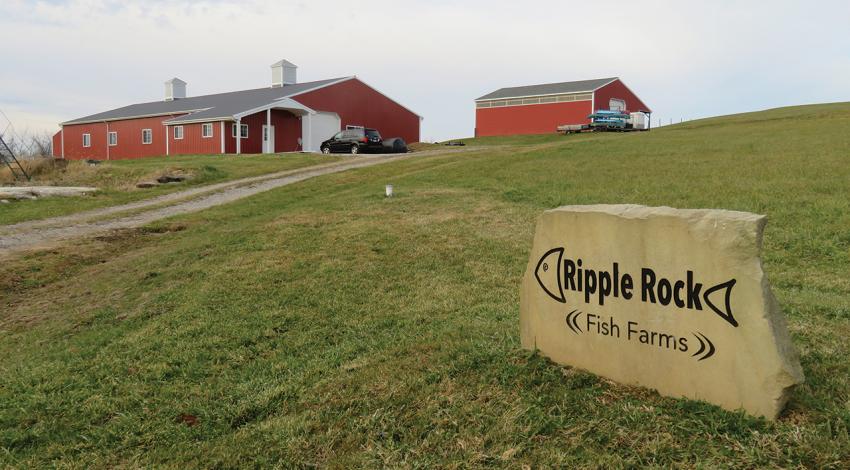
Along a narrow road that snakes through the woodsy hills north of Zanesville, Ripple Rock Farms sits on 15 country acres where Guernsey-Muskingum Electric Cooperative members Craig and Traci Bell have lived for several years.

In a few years, you may be able to spend your morning commute reading a book, checking e-mail, or even napping, thanks to self-driving car technology.
While they aren’t exactly as high-functioning as KITT, the crime-fighting black Camaro from the old Knight Rider TV series, autonomous vehicles from the likes of Google, Tesla, and other companies have proven that we are on the cusp of being able to take our hands off the wheel.