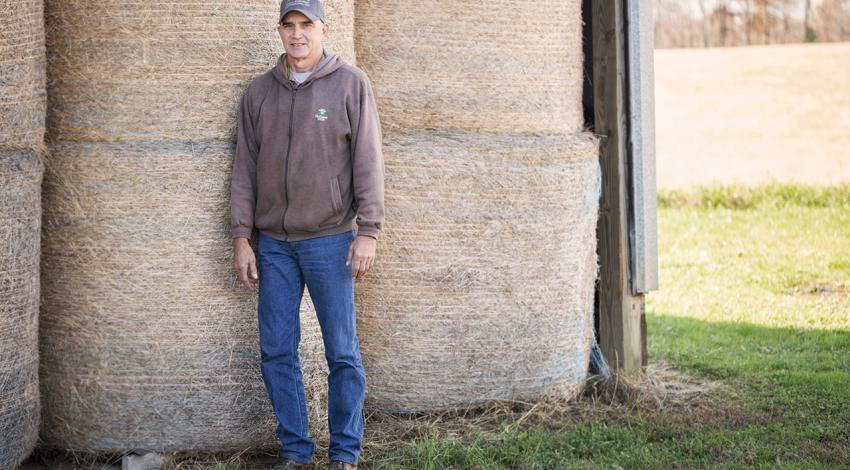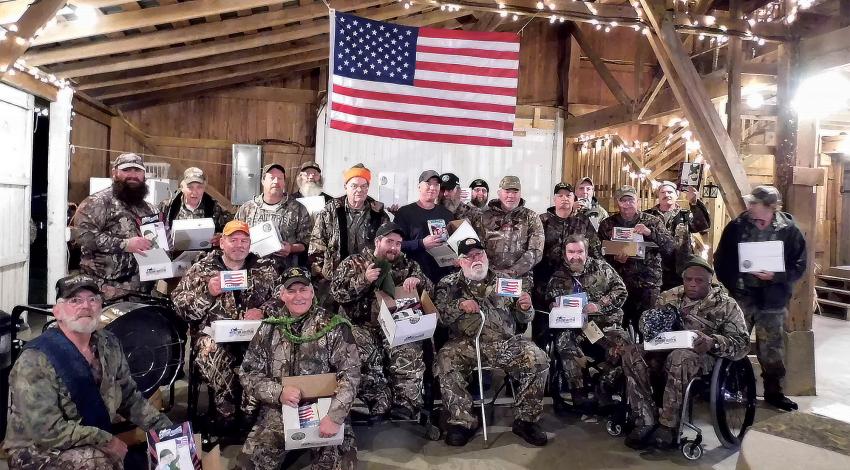



Rudy Dalrymple leaves his room at the Ohio Veterans Home in Sandusky between 5 and 5:30 a.m. most days, and settles into a comfortable padded chair behind his sturdy worktable. Using crepe paper, wire, cloth tape, and his trusty wooden crimping tool, he forms delicate poppy blossoms, one after another, again and again, until he’s surrounded by a mound of flowers, which are destined for American Legion auxiliaries across Ohio to use in their major fundraising efforts around Memorial Day.
The 30 or so therapy horses of Seven Oaks Farm may be little, but they have a big impact. Owner Lisa Moad brings the horses around to more than 50 care facilities and numerous Ronald McDonald houses to bring comfort to the residents and guests, and joins with several police departments to help with community and anti-bullying efforts.
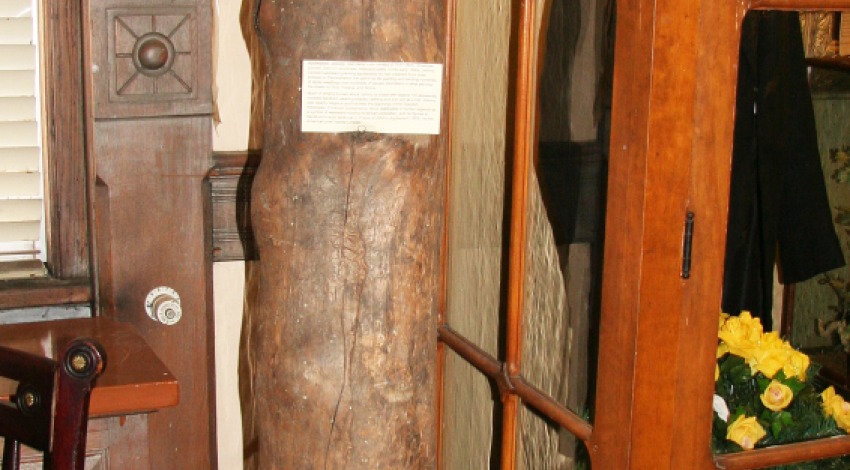
Location: On the east side of Cleveland in Lake View Cemetery.
Provenance: Founded in 1869, Lake View Cemetery was among the nation’s first garden-style cemeteries, and President James A. Garfield, who was born and raised near Cleveland, had expressed his desire to make its scenic grounds his final resting place. Shortly after his inauguration, Garfield was shot by a disappointed office-seeker and lingered for two months before dying on Sept. 19, 1881.
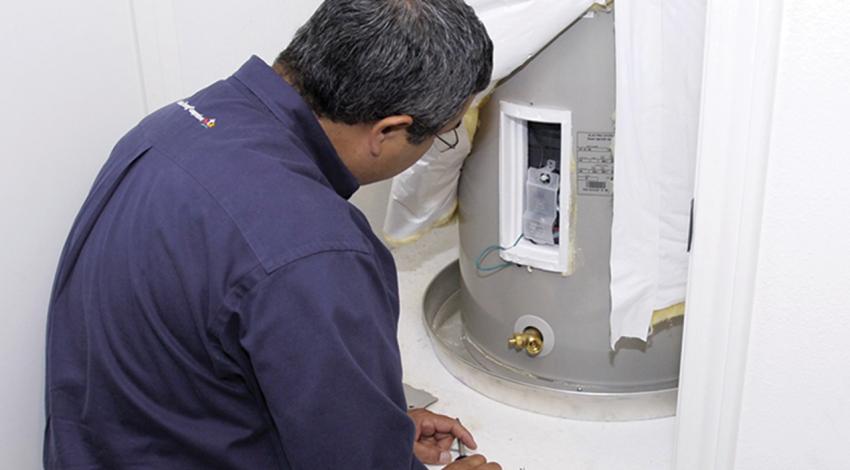
If you have an aging central air conditioner — even if it’s still working — it might pay off to look into replacing it sooner rather than waiting until it fails.
Replacing an inefficient AC unit with a more efficient model could significantly reduce your electric bill; new units are likely to be 20 to 40 percent more efficient than one from the 1990s. ENERGY STAR-certified systems are even more efficient. Replacing an aging system now, before summer starts, could help you avoid delays or price premiums.
Head to Splatter Park near Mt. Gilead on a crisp, fall day, or pre-spring, before trees bud, and you’ll almost always find at least a little company. By summer, though, you’ll join as many as 600 other paintball warriors at a time looking to splatter their foes.
Jeremy Warnimont and his cousin Jake, both linemen at Tricounty Rural Electric Cooperative, based in northwest Ohio, were coming home from a long day of training on transformer rigging near Columbus, when they saw a young girl flip her all-terrain vehicle (ATV) in a nearby field. The vehicle landed on top of her.
“She was trying to jump a dirt hill, but didn’t make it,” Jeremy says. “When I got to her, she was non-responsive. Jake called 911 and we stabilized her until the first responders arrived.”
When Americans conjure a place called “Columbus,” many imagine Ohio — home of The Ohio State University and its legions of Buckeye football fans.
There is, however, another Columbus not too far away — west across the state line to just south of Indianapolis. While its population is only about 45,000, the town enjoys an outsized reputation as a modern architectural Mecca.
It’s a little-known fact that several Ohio agricultural cooperatives — livestock producers, dairy farmers, and crop associations — can trace their roots to the Ohio Farm Bureau Federation. The same holds true for Ohio’s Electric Cooperatives (OEC) members.