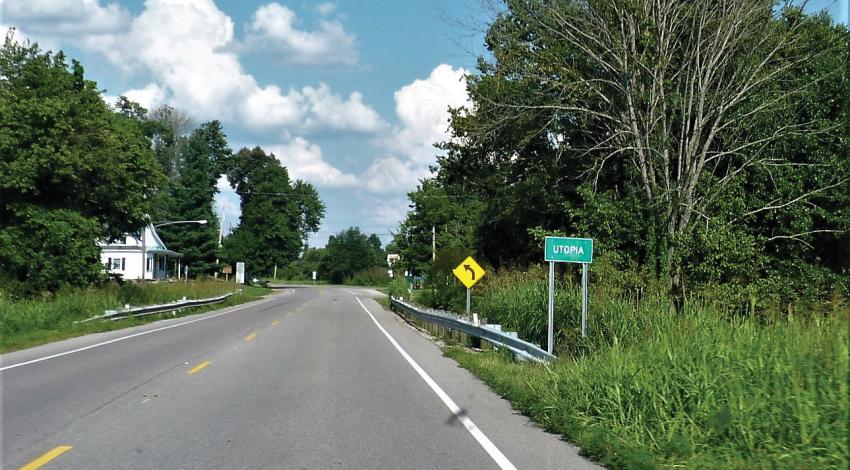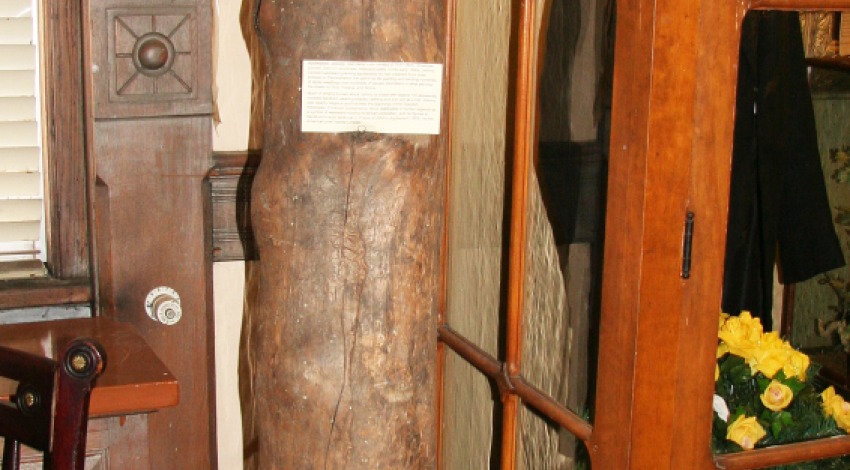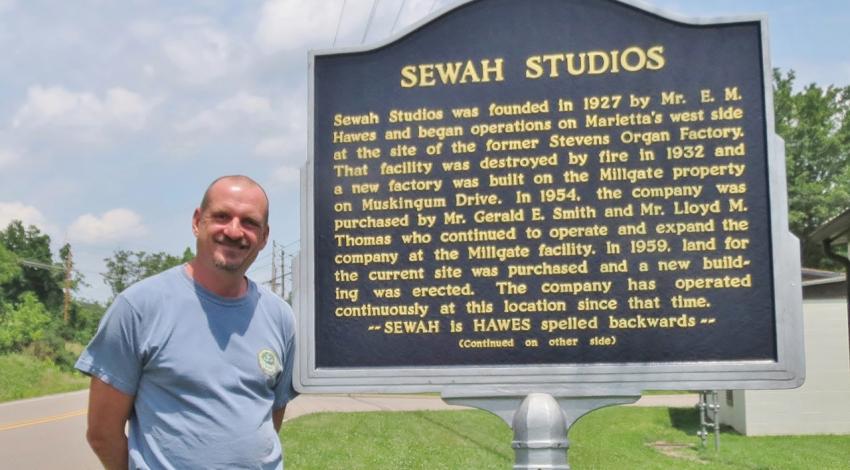
The ubiquitous historical markers seen on roadsides around the country have their own unique look, state by state. Those in Pennsylvania and Virginia have built-in mounting posts. New York’s use extra-large letters for better readability, but Florida’s have a smaller font that allows for more words. Alabama’s and Maryland’s markers flaunt their state flags; West Virginia’s exhibits the state seal; Mississippi’s highlights the state flower. Only one state has its historical markers topped by an outline of the state and the foliage of its state tree.
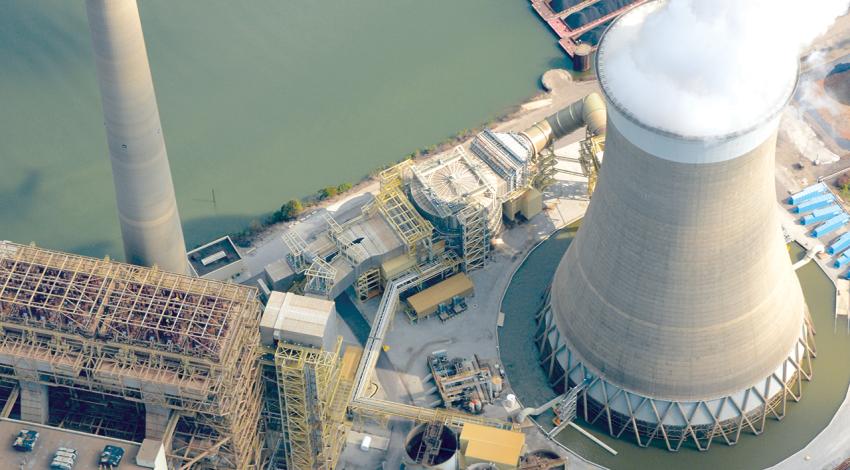
Driving on Ohio Route 7 south of Steubenville near Brilliant, the first thing most people notice about the Cardinal Station power-generating facility is the snow-white plume emanating from the tall, thin dual stacks on the northern end of the station and from the shorter, stubbier tower to the south. The color of those plumes is significant. Long gone are the days when the stacks would send black smoke into the atmosphere. Thanks to more than $1 billion in investments in environmental equipment, that cloud is nearly all water vapor.
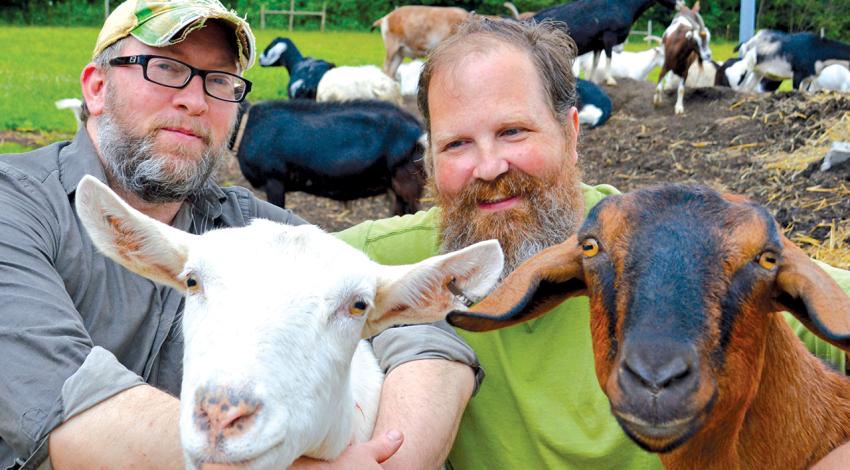
Greeted by four rescue dogs as I walk toward the 19th-century farmhouse in rural Licking County, I know their barks are more of an announcement than a warning. Once in the yard, the welcoming committee swells to include several turkeys, ducks, chickens, geese, and guineas before farm owners Jeff Wince and Chad Snelling open the door of their 1823 home and invite me in.
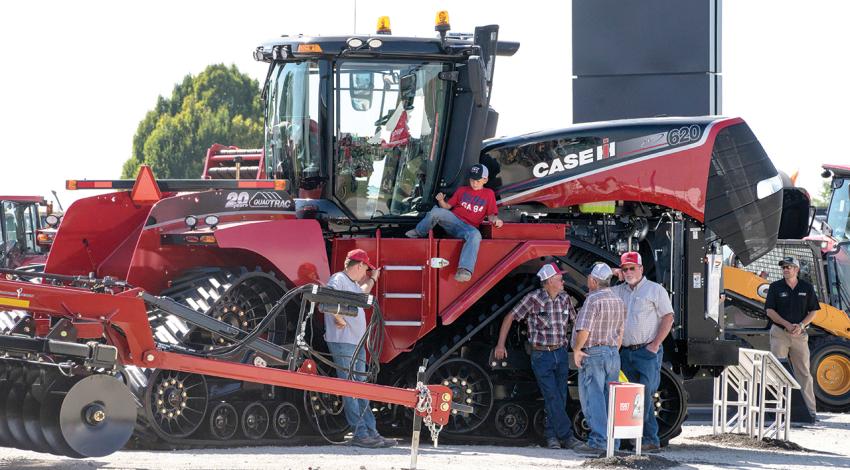
The Ohio’s Electric Cooperatives Education Center at the 2016 Farm Science Review introduced several popular new attractions. So what’s the best way to follow that up?
“It seemed like everything there was such a hit, we’re going to do them again,” says Janet Rehberg, OEC’s director of marketing. “People loved the Kids’ Zone, so we’ll have more of that, and the ‘Be a Lineman’ area was crowded the whole time, so we’ll keep that, too. We also have a few new displays in our area that I think people will really enjoy and get a lot out of.”

Who among us, when we flip a light switch or turn on a fan, gives a second thought (or even a first thought) to where the electricity comes from to light the bulb or cool the room? Part of our job at Ohio’s electric cooperatives is to make it easy for you to take this miracle of science and engineering for granted. In this month’s issue, Ohio Cooperative Living pulls back the curtain and gives you a peek at how we make sure that power is literally at your fingertips anytime you want it.
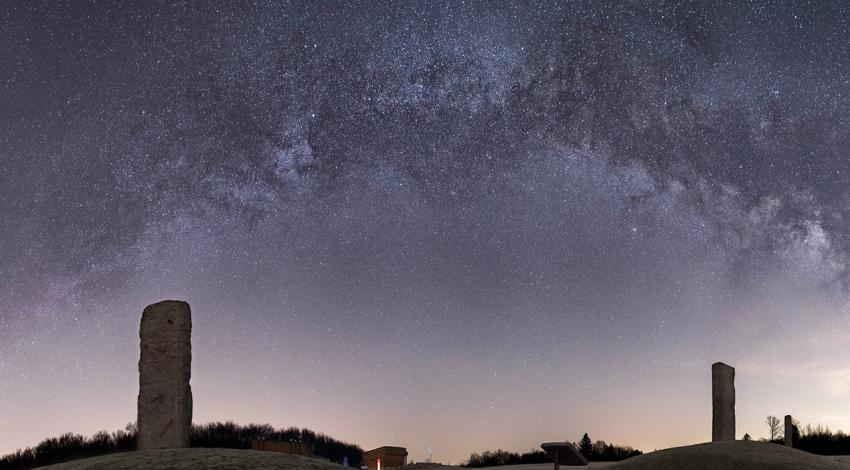
When Geauga Park District Naturalist Chris Mentrek is stargazing at Observatory Park, one of his favorite sights is the Summer Triangle. “The Milky Way stripe goes right through the triangle,” says Mentrek, “and Altair, Deneb, and Vega form its corners. They’re three of the brightest stars and are also points in the constellations Aquila, Cygnus, and Lyra.”
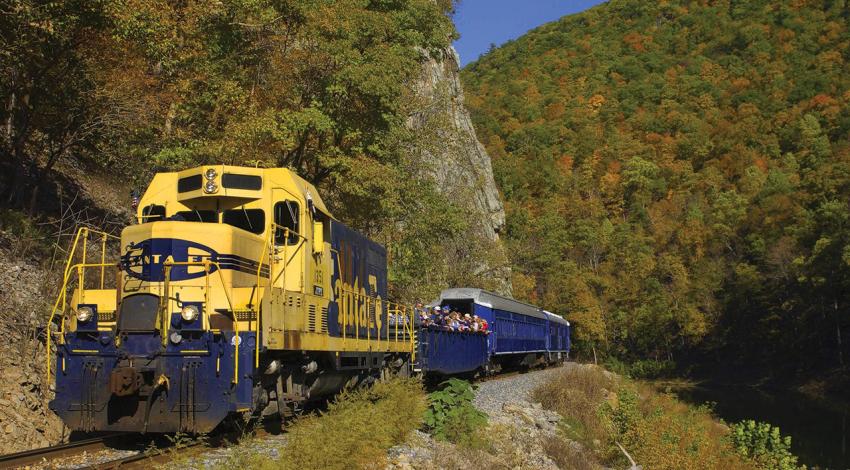
If a leisurely, relaxing train ride, combined with watching wildlife — particularly bald eagles — sounds like fun, you might want to head east to Romney, West Virginia, where, in the spring, summer and fall each year, the trains of the Potomac Eagle Scenic Railroad leave Wappocomo Station for a three-hour, 35-mile round-trip deep into the mountains.
The tracks parallel the south fork of the Potomac River, and the highlight of the trip is a wild stretch of stream where eagles soar.
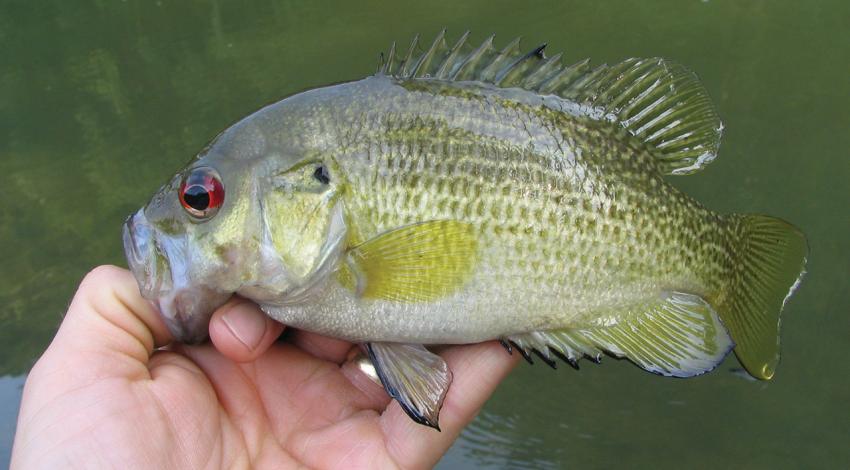
Ohio is one of only three states that does not recognize a state fish, but if ever our lawmakers should decide to name one, there’s but a short list of great candidates: the yellow perch, for example, or the Ohio Muskie. A particularly strong case, however, could be made for the smallmouth bass — the gamest fish that swims.
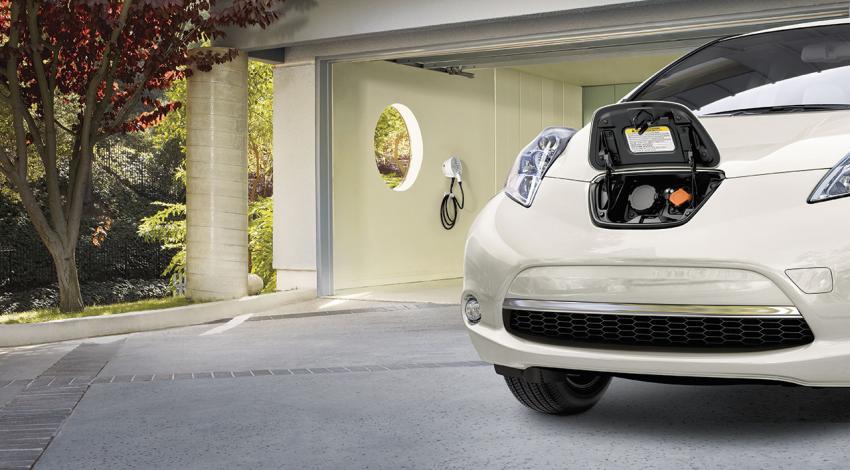
Those who haven’t shopped for a new car in a while may be surprised to find the cost of new electric vehicles (EVs) is now comparable to that of gasoline-powered cars. With that in mind, it’s not so surprising that the EV market is growing rapidly. There’s lots more, however, that consumers should know about them in order to make an informed buying decision.